Heading To The Slopes From Salt Lake City? What To Check On Your German Car Before The Snow Starts
First snow has a way of exposing the weak spots you could ignore all summer. A tire that was fine on dry pavement suddenly feels sketchy. A battery that started strong in warm weather starts dragging. Even small things like wipers and washer spray go from minor annoyances to real visibility problems.
If you want your drive to the mountains to feel boring in the best way, a few checks now can save you a lot of hassle later.
Start With Tires And The Feel Of The Car At Speed
Tires are the biggest difference-maker in snow, and that’s true even before the roads turn fully white. Cold pavement alone reduces grip. If your tread is getting low, you’ll feel it first in braking and lane changes, especially on wet or slushy roads.
Pay attention to the steering feel on a test drive. If the car wanders, pulls, or feels twitchy at highway speed, don’t assume it’s just wind. It could be tire wear, tire pressure, or alignment starting to drift. We’ve seen plenty of “it’s probably fine” tires turn into a long day once temperatures drop.
Check Battery Strength Before It Checks You
Cold weather pulls more power from the battery and demands more power to crank the engine. That combo is why borderline batteries get exposed fast. If you’ve noticed slightly slower cranking, lights dimming during startup, or electronics acting odd right as the engine fires, that’s worth testing now.
Also, take a quick look at the terminals. Corrosion and loose connections can mimic a weak battery, and it’s an easy miss. A simple battery and charging check can save you from the morning when the starter barely turns, and you’re stuck waiting for a jump.
Make Sure Your Cooling System Is Ready For Real Cold
Your engine needs the right coolant mix to prevent freezing and to manage heat correctly when you’re climbing grades. If coolant is low, looks rusty, or you’ve been topping it off occasionally, don’t ignore that pattern. A sealed cooling system should not need regular refills.
Heater performance is part of this too. If the heat is weak at idle or takes forever to get warm, you might be dealing with low coolant, air in the system, or a thermostat that isn’t behaving. In cold conditions, a heater that can’t keep up becomes a safety and comfort issue at the same time.
Brakes, Traction Systems, And What Your Pedal Is Telling You
Snow driving is all about smooth control, and that starts with brakes that feel consistent. If your pedal feels soft, you feel vibration under braking, or the car pulls when you slow down, get it checked before winter travel ramps up. Small brake issues tend to feel bigger on slick roads.
This is also the season when ABS and traction control matter most. If you’ve had warning lights come and go, or you notice the systems acting strangely on dry roads, schedule service. You don’t want to discover a sensor issue during a downhill stop on a snowy grade.
Visibility And Cabin Comfort Checks That Actually Matter
Wipers that smear, skip, or chatter are annoying in the rain. In snow and road spray, they’re dangerous. If your blades are leaving streaks, replace them before the storms hit. Make sure your washer spray pattern is strong and aimed correctly, and use a winter-rated washer fluid so it doesn’t turn to slush in the reservoir.
Defrost performance matters too. If the windshield fogs easily or clears slowly, your cabin air filter may be restricted, or the HVAC system may not be moving air the way it should. We also suggest checking all exterior lights, including brake lights, because winter grime makes it harder to see.
A Mountain Trip Prep List That Saves Stress Later
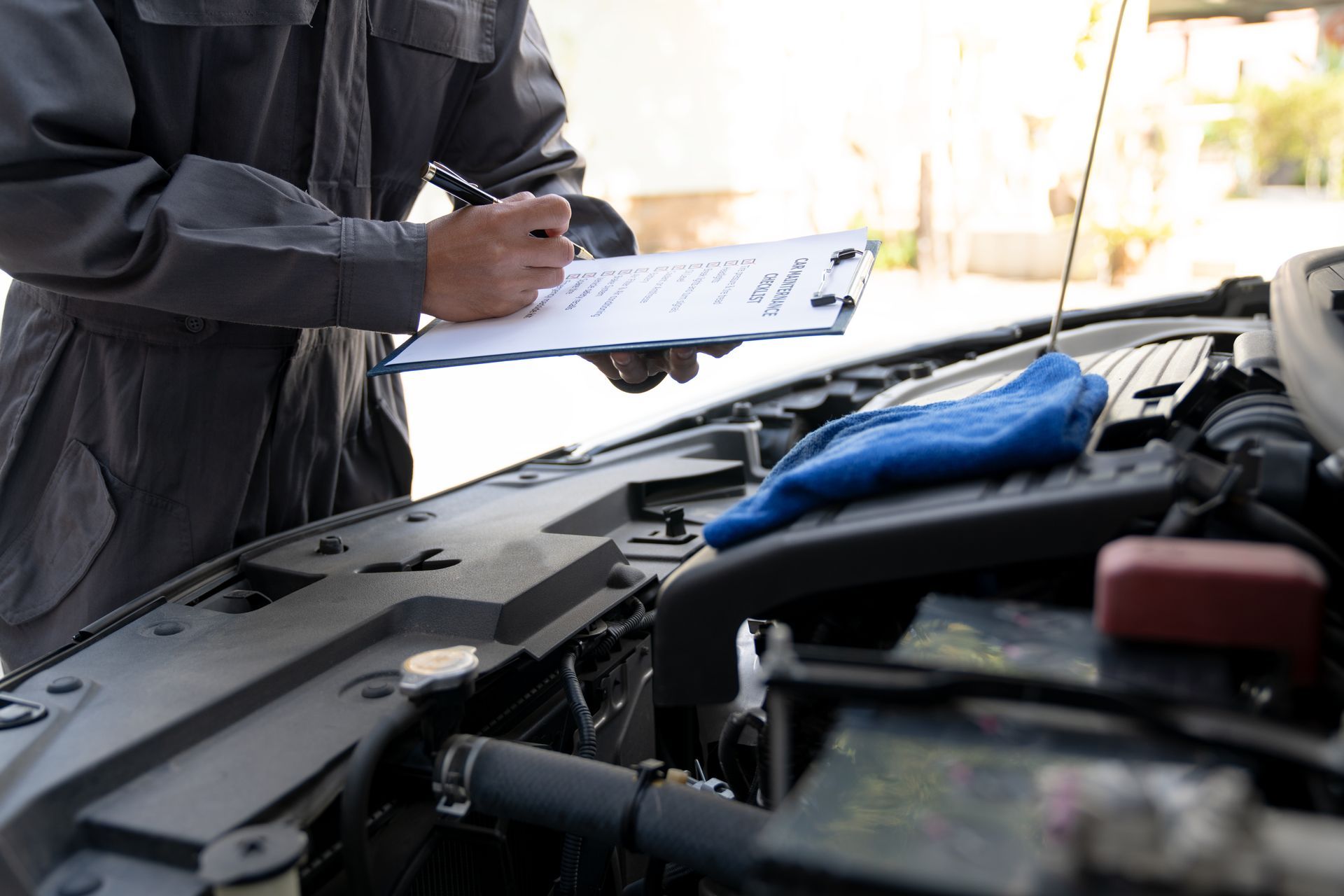
Before your first serious snow drive, it helps to run through a short checklist you can repeat all season:
- Set tire pressures to the door sticker when the tires are cold
- Confirm you have solid tread depth and even wear across all four tires
- Check oil level and look for any fresh fluid spots where you park
- Make sure wipers, washer fluid, and defrost are working like they should
- Keep a small kit in the car: gloves, a flashlight, and a warm layer
None of this is fancy, but it prevents the kind of problems that start small and snowball fast once you’re away from town.
Get a Winter Vehicle Inspection in Salt Lake City, UT, with Wofford's European Car
If you’re planning mountain drives and want your car ready before the weather turns, we can check tires, brakes, battery strength, cooling system condition, and the basics that affect traction and visibility. We’ll point out what needs attention now, what can be scheduled, and what’s truly fine to leave alone.
We’re happy to help you head into winter with a car that starts every time, stops confidently, and stays comfortable on the way up.