Why Do BMW and MINI Engines Burn Oil Between Services?
It’s frustrating when you’re doing your oil changes on time, but the level still drops between visits. With BMW and MINI engines, this can happen for a few different reasons, and it’s not always a sign the engine is on its last legs. Sometimes it’s a small leak that never reaches the ground. Other times it’s the way the engine breathes, especially under boost, heat, and short-trip driving. The key is figuring out which pattern you’re dealing with before you keep topping off and hoping it stops.
Oil Use Vs Oil Leaks and What Most Drivers Miss
A lot of drivers assume they’re burning oil because the dipstick level keeps dropping. But some leaks don’t leave a puddle. Oil can seep onto hot engine parts and bake off, or it can spread across an undertray and never drip where you park. If you smell a burnt oil odor after driving, or you notice oily grime around the back of the engine, you may be dealing with leakage that looks like consumption.
We’ve seen plenty of cases where the fix was sealing a leak, not chasing internal engine wear. That’s why it’s worth checking both paths before you label it as burning.
Common BMW And MINI Oil Leak Sources That Mimic Burning
Certain leak points are so common that they’re almost a checklist item. Valve cover gasket seepage is a big one because it can leak onto hot surfaces and create a smell without obvious drips. Oil filter housing areas are another, especially if oil is tracking downward and coating other components. Turbo oil feed and return lines can also seep, and those leaks often smell worse than they look.
If you ever spot oil residue near the front of the engine bay, or you see fresh wetness along a gasket seam, that matters. A small leak can still drop the level over a few thousand miles.
How Oil Gets Burned Without Any Smoke
Not every oil-burning engine blows visible smoke. Modern catalytic converters can mask a lot, and oil can be burned slowly enough that you never see a cloud behind you. Two common pathways are through the intake system or past worn sealing surfaces inside the engine.
Crankcase ventilation issues are a frequent contributor. If the system is pulling too much oil vapor into the intake, you can lose oil gradually without a dramatic symptom. Turbocharged setups can add to this because boost pressure, heat, and higher crankcase pressure changes can make oil control more challenging.
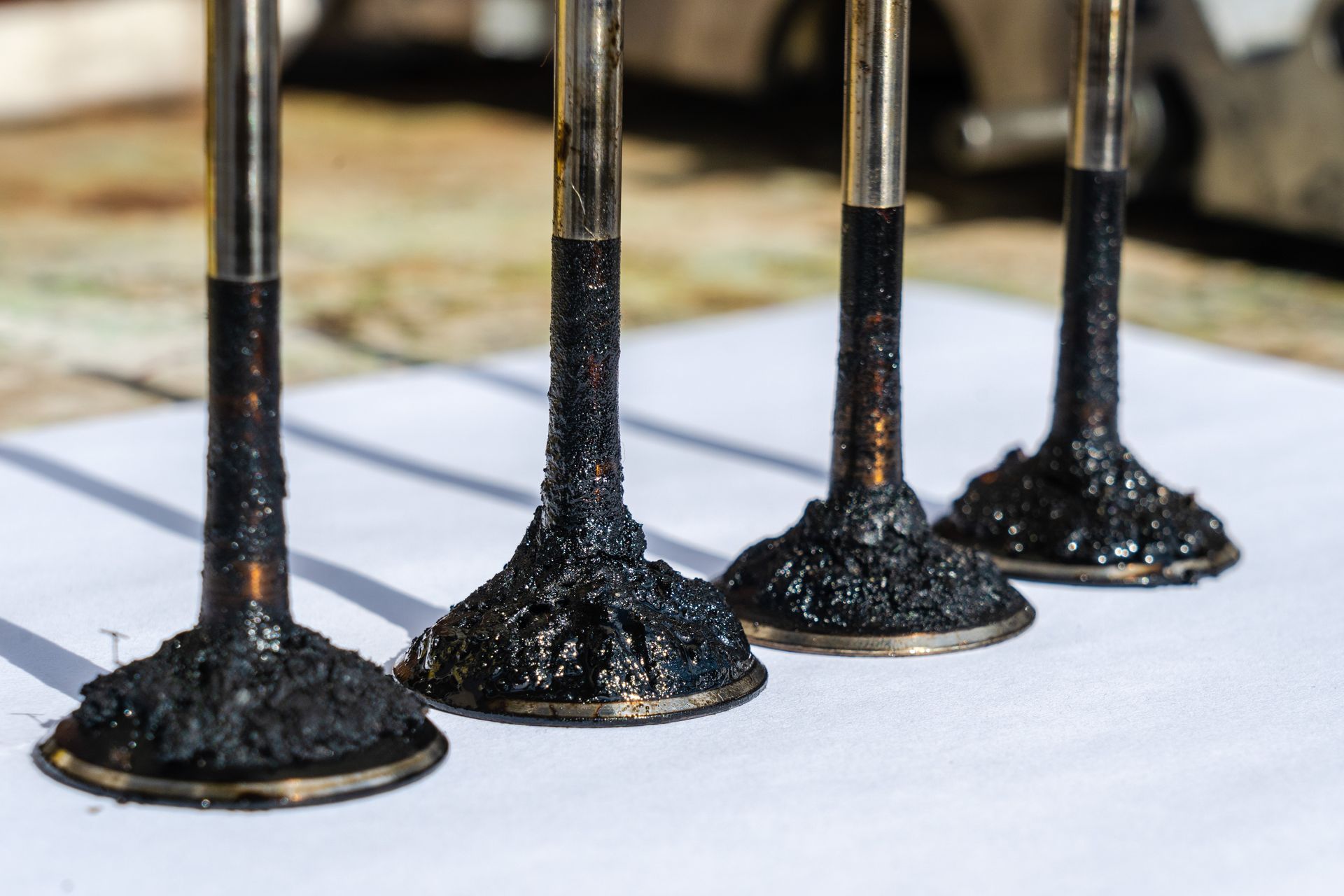
Valve stem seals and oil control rings can also be part of the story, especially on higher-mileage engines. When those parts aren’t sealing well, oil can slip into the combustion process during startup, idle, or long deceleration, even if the car still runs smoothly.
Driving Patterns That Make Oil Use Worse
Oil consumption often isn’t a fixed number. It can rise or fall based on how the car is driven. Lots of short trips can increase moisture and fuel dilution in the oil, and that can affect how well oil control systems behave over time. Long, hot highway runs and extended high-RPM driving can increase oil vapor and crankcase pressure, which can pull more oil through the ventilation system.
There’s also the oil interval factor. Some drivers stretch intervals because the car seems fine. If the engine is already consuming a bit, longer intervals can concentrate deposits and make oil control worse over time. We’re not saying every extended interval causes damage, but we’ve seen enough engines where the pattern lines up.
Owner Mistakes That Turn A Manageable Issue Into A Bigger One
The most common mistake is ignoring the oil level because there’s no warning light yet. Some engines can run low before a driver realizes it, and low oil can create wear quickly. Another mistake is using an oil that doesn’t match the required spec, even if the viscosity looks right. That can change how the engine handles heat and deposits.
We also see people top off without tracking how much they’re adding. If you don’t know whether you added a half-quart over 4,000 miles or two quarts over 1,500 miles, it’s hard to judge severity. A simple note in your phone helps more than people expect.
A Practical Plan To Pinpoint The Cause And Spend Smart
Start by confirming the pattern. Check the level consistently on a flat surface and at similar engine temperature conditions. Watch for smells after parking, oil residue near gasket seams, and any fresh drips on the underbody. If you’re adding oil, track how much and how often.
From there, the smart plan is addressing the easy wins first. If there’s a known external leak, fixing it often reduces oil loss immediately. If there’s no clear leak, that’s when it makes sense to look at crankcase ventilation behavior, intake oil residue, and the conditions where oil use is highest. We’ve found that a methodical approach saves money because it keeps you from swapping parts based on guesses.
After The Fix Habits That Help Oil Levels Stay Stable
Once the root cause is handled, a couple of habits help keep things stable. Check oil level periodically, especially before long trips or long mountain drives. Stick to the correct oil spec and interval that matches how you drive, not just the maximum interval on a screen.
Also, keep an eye on new smells or small changes in consumption. If oil use starts increasing again, catching it early is usually cheaper than waiting until it becomes a constant top-off routine.
Get BMW And MINI Oil Consumption Service in Salt Lake City, UT with Wofford's European Car
If your BMW or MINI is using oil between services, we can check for hidden leaks, verify the most common trouble areas, and narrow down why the level is dropping. We’ll explain what we find in plain language and recommend a plan that fits your engine and your driving habits.
We can help you stop guessing and get back to a car that stays where it should on the dipstick.