Why Most European Car Engines Have Timing Chains Instead of Timing Belts
Timing components are easy to ignore because they stay hidden and usually stay quiet for a long time. The engine starts, idles, and drives the way it should, so there is little reason for most drivers to think about what keeps everything in sync. That changes when a timing problem finally shows up, because by then the repair can be much more involved than expected.
European engines approach this part of engine design a little differently. Many of them use timing chains instead of timing belts, and that choice is tied to how those engines are built, how they perform, and what manufacturers expect from them over time.
What Timing Chains And Timing Belts Both Do
Both timing chains and timing belts do the same basic job. They keep the crankshaft and camshaft synchronized so the pistons and valves move in the right order at the right time. Without that precise timing, the engine cannot run correctly.
That means the choice between a belt and a chain is not about one doing more than the other. It is about how the manufacturer aims to achieve that timing and the trade-offs that come with the design.
Why European Manufacturers Tend To Prefer Timing Chains
Many European engines are designed around long-term durability, tighter engine packaging, and performance-focused operation. Timing chains fit well into that approach because they are made of metal, run inside the engine, and are designed to last much longer than a timing belt under normal conditions.
That longer service life is one of the biggest reasons they are used so often. Manufacturers know many drivers expect these vehicles to handle higher performance demands, longer highway use, and more complex engine control systems. A timing chain supports that kind of design well.
How Timing Chains Fit Modern European Engine Design
European engines often use turbocharging, direct injection, variable valve timing, and tighter internal tolerances. Those features help with performance and efficiency, but they also make precise engine timing even more important. A chain setup is well-suited for that because it handles load and heat differently than a rubber belt.
That does not mean timing chains are trouble-free. It means the design makes sense for engines built to deliver a specific blend of response, efficiency, and long-term structural durability. The chain is part of that overall engineering choice.
Why Timing Belts Are Less Common On These Engines
Timing belts are quieter and lighter, and they can work very well in the right application. The trade-off is that they are service items with a set replacement interval. That means more scheduled maintenance and a higher chance of severe damage if the replacement is delayed too long.
Many European manufacturers moved toward chains to reduce the need for routine timing-belt replacement and to build engines around components expected to last longer. That choice appeals to drivers who plan to keep the vehicle for years, but it also changes the kinds of timing-related problems that may show up later.
Timing Chains Still Wear Over Time
One reason drivers get caught off guard is that timing chains sound permanent. They are not. Chains can stretch, guides can wear, and tensioners can weaken. When that starts happening, the engine timing can drift, and the symptoms may begin slowly.
You might notice rough running, startup rattle, warning lights, or changes in engine performance. Those are not symptoms to ignore, because once the timing components wear enough, the repair becomes more expensive, and the engine is at greater risk.
Why Oil Service Matters So Much On Timing Chain Engines
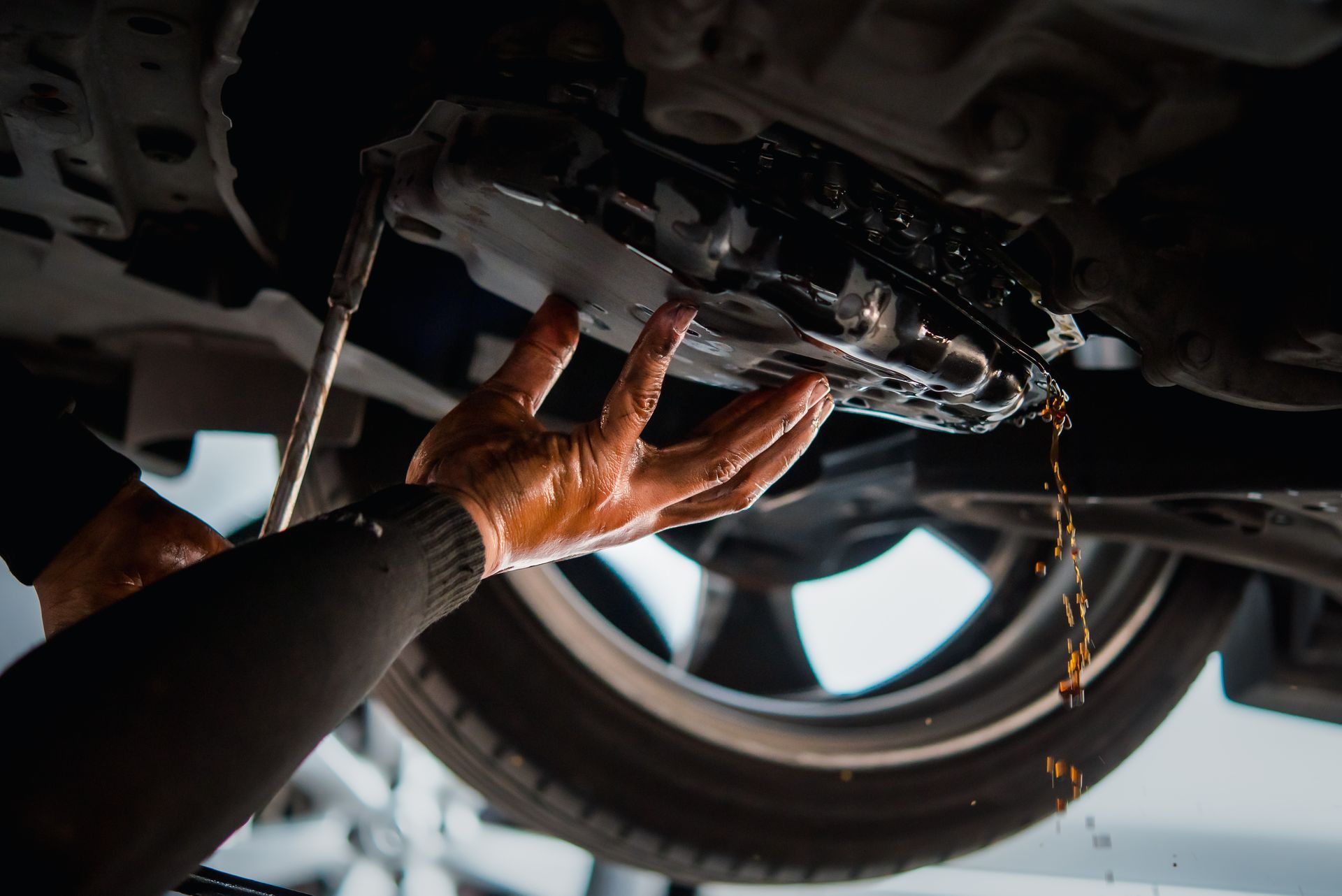
Timing chains rely heavily on clean oil and steady oil pressure. The chain, guides, and tensioners all depend on lubrication to do their job correctly. That is one reason oil service is especially important on many European engines.
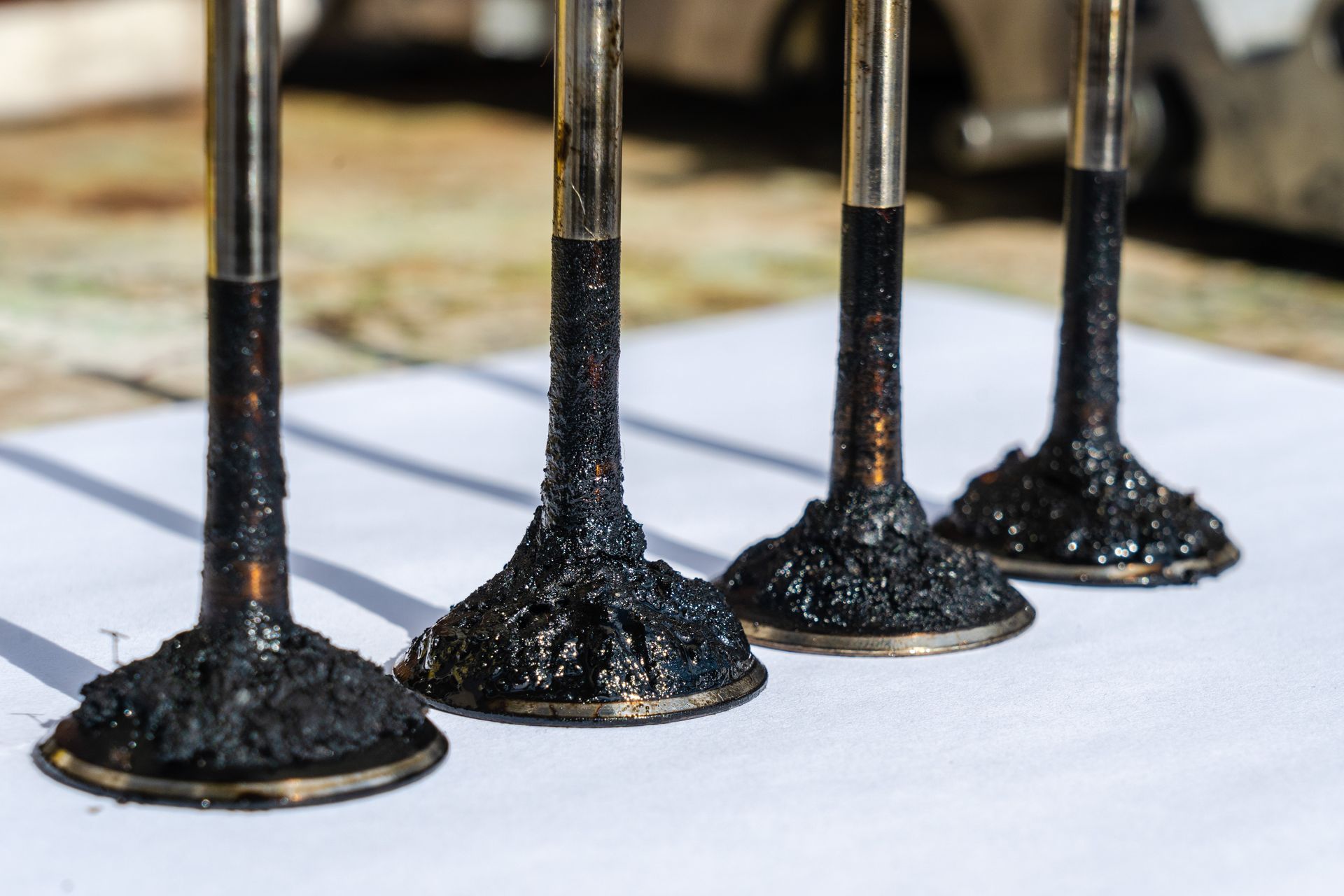
Delayed oil changes can lead to sludge, poor tensioner operation, and faster wear in the timing system. Regular maintenance is one of the best ways to help a timing chain last as long as it should. In many cases, poor oil history is part of why timing chain issues show up earlier than drivers expect.
What Drivers Should Watch For
A timing chain problem usually does not begin with total failure. More often, the early clues are small enough to dismiss if you are not paying attention. Startup noise, rough idle, check engine lights tied to timing, or a general drop in engine smoothness are all worth taking seriously.
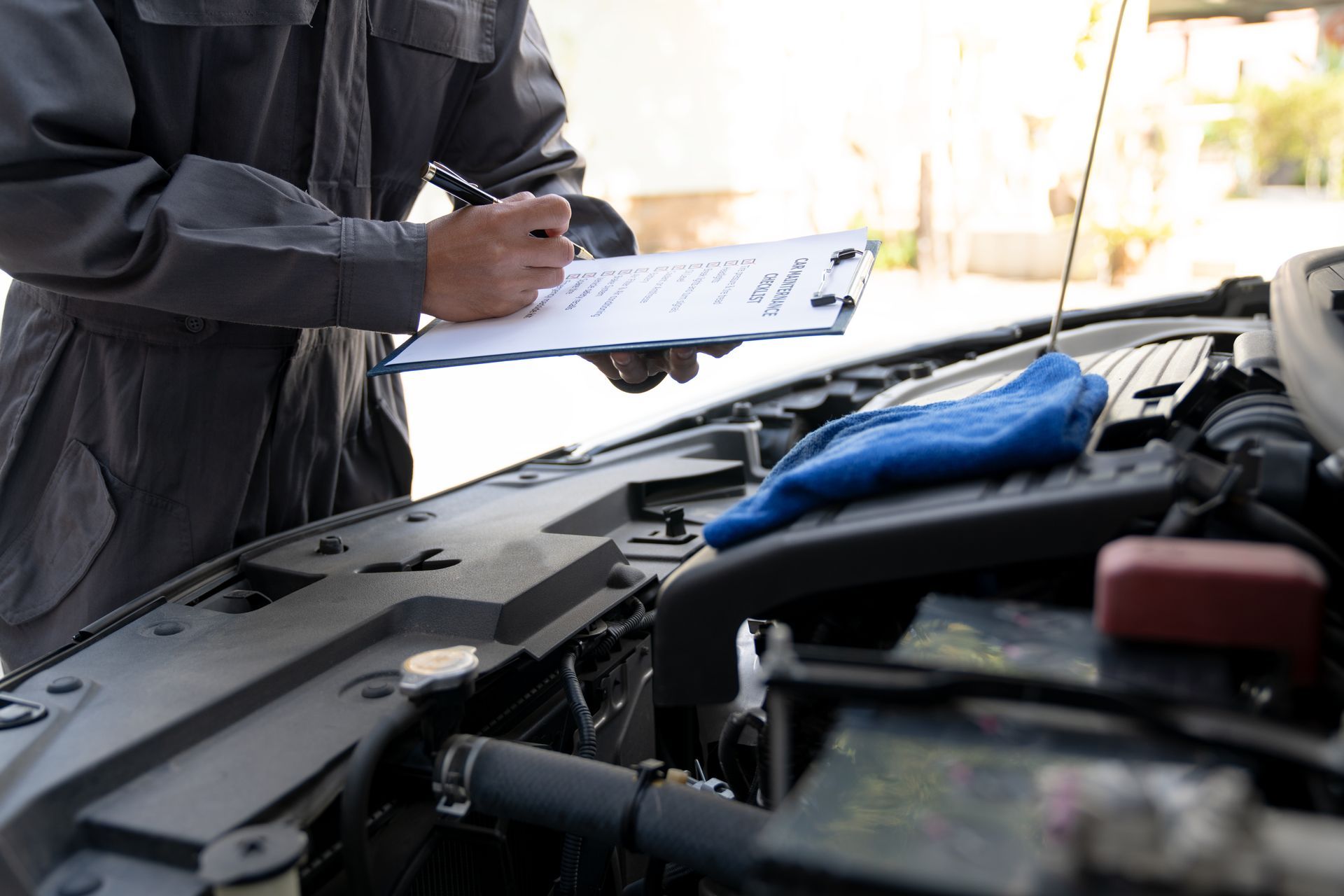
That is where an inspection helps. Catching chain or tensioner wear early gives you a better chance of addressing the problem before it becomes a larger internal engine repair.
Why The Design Choice Still Makes Sense
Even with the possibility of wear, the timing chain still makes sense in many European engines. It fits the design philosophy, supports long-term performance, and avoids the fixed replacement schedule that comes with a belt. The key is understanding that longer-lasting does not mean lifetime with no attention.
Drivers who stay on top of oil service and respond early to warning signs usually do much better here. The system was designed for durability, but it still depends on proper care.
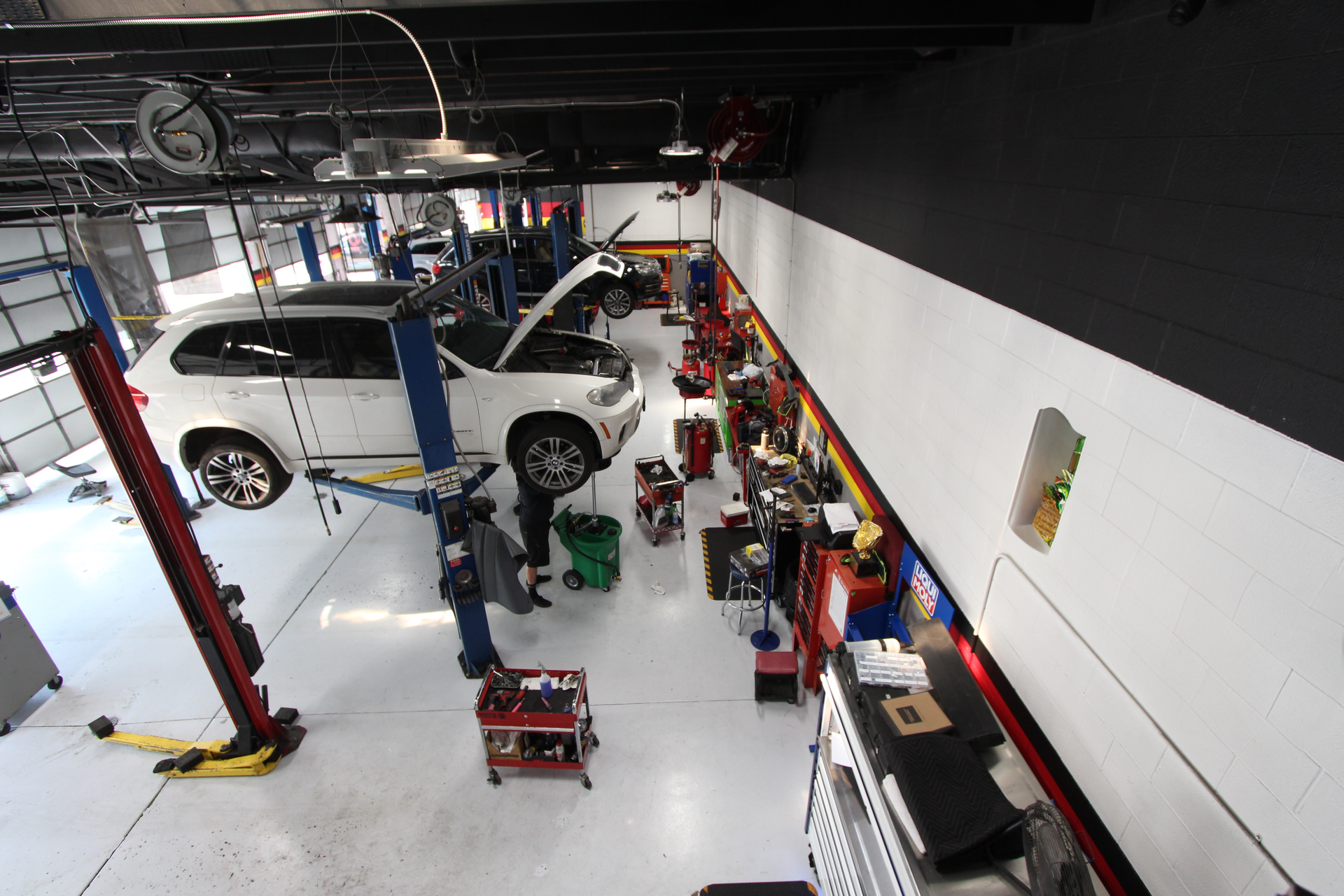
Get Engine Service and Repair In Salt Lake City, UT, With Wofford's European Car
If your European vehicle has started making startup noise or showing timing-related warning signs, Wofford's European Car in Salt Lake City, UT, can inspect the timing system and help you stay ahead of a much larger engine repair.
It is always better to deal with timing concerns while they are still manageable.