Serpentine Belt Replacement and What Else Should Be Replaced At The Same Time?
Serpentine belts are easy to forget because they usually do their job quietly, right up until they start squealing or failing. If you are planning to replace a belt, it is smart to think beyond the belt itself. Many repeat belt problems occur because the belt wasn't the real issue, or because a worn pulley or tensioner was left behind to take out the new belt.
Replacing the right related parts at the same time can save you money and prevent a repeat breakdown.
What The Serpentine Belt Does
The serpentine belt drives key accessories off the crank pulley. Most vehicles use it to drive the alternator, A/C compressor, and other components, and some engines use it to drive the water pump. When it fails, charging can stop, steering assist can change on some vehicles, and overheating can become a risk on setups with belt-driven water pumps.
Even when the belt does not break, a slipping belt can reduce alternator output and weaken A/C performance. That is why belt problems often show up as multiple symptoms, not just a noise.
When A Belt Should Be Replaced
Belts age from heat and friction. Cracks across the ribs, glazing, frayed edges, and rubber dust near pulleys are common warning signs. A belt that chirps at startup or squeals when the A/C kicks on is often telling you it is slipping.
Time and mileage both matter, but driving conditions matter too. Stop-and-go traffic, heavy accessory load, and high heat can shorten belt life. Regular maintenance checks help because belts are easier to replace on your schedule than on the side of the road.
The Parts That Commonly Take Out A New Belt
A new belt can fail early if the pulleys guiding it are not healthy. Tensioners and idler pulleys spin constantly, and their bearings wear out. When a bearing starts dragging or wobbling, it can shred a belt quickly. It is also common for tensioner springs to weaken, which lets the belt flutter and slip.
If the belt fails suddenly, we pay extra attention to the pulley bearings. A seized pulley can heat the belt fast and tear it apart. Even if the belt just looks worn, a noisy pulley can be the reason it was slipping and squealing in the first place.
What Else Should Be Replaced With The Belt
The right add-ons depend on what we find, but a few parts are frequent companions to belt replacement. These components are worth checking closely and often make sense to replace together if they show wear.
- Tensioner. If the tensioner is weak, noisy, or not holding steady tension, replacing it with the belt helps prevent slip and noise.
- Idler pulleys. If an idler pulley bearing is rough or has play, replacement is smart because it is cheap insurance against belt failure.
- Accessory pulley condition. Alternator and A/C compressor pulleys should spin smoothly. If a pulley is noisy or rough, it needs attention before a new belt is asked to live with it.
- Belt routing and alignment. A belt that is misrouted or running off-center wears quickly. We confirm alignment and look for brackets or mounts that have shifted.
How We Decide What Should Be Done Now
The goal is to avoid parts swapping and focus on what is actually worn. We check belt condition, tensioner movement, and pulley bearing smoothness. We also look for oil or coolant contamination, as leaks shorten belt life and increase the risk of slip.
This is why an inspection is helpful even for a simple belt job. A leak at the front of the engine can drip onto the belt, and the belt becomes the visible victim even though the leak is the root cause. Fixing that cause is what prevents the new belt from glazing and squealing again.
A Few Signs It Is More Than Just A Belt
Some symptoms suggest the belt system has deeper wear. If you hear a grinding or growling noise near the front of the engine, suspect a pulley bearing. If the belt squeal happens under load every time, tensioner weakness is likely. If the battery light flickers, the belt may be slipping enough to reduce the alternator charge.
If the belt has shredded, do not assume it was age alone. Shredding often means misalignment, a damaged pulley, or a seized bearing. That is why checking the full belt drive system matters before putting a new belt on.
Get Serpentine Belt Service In Salt Lake City, UT, With Wofford's European Car
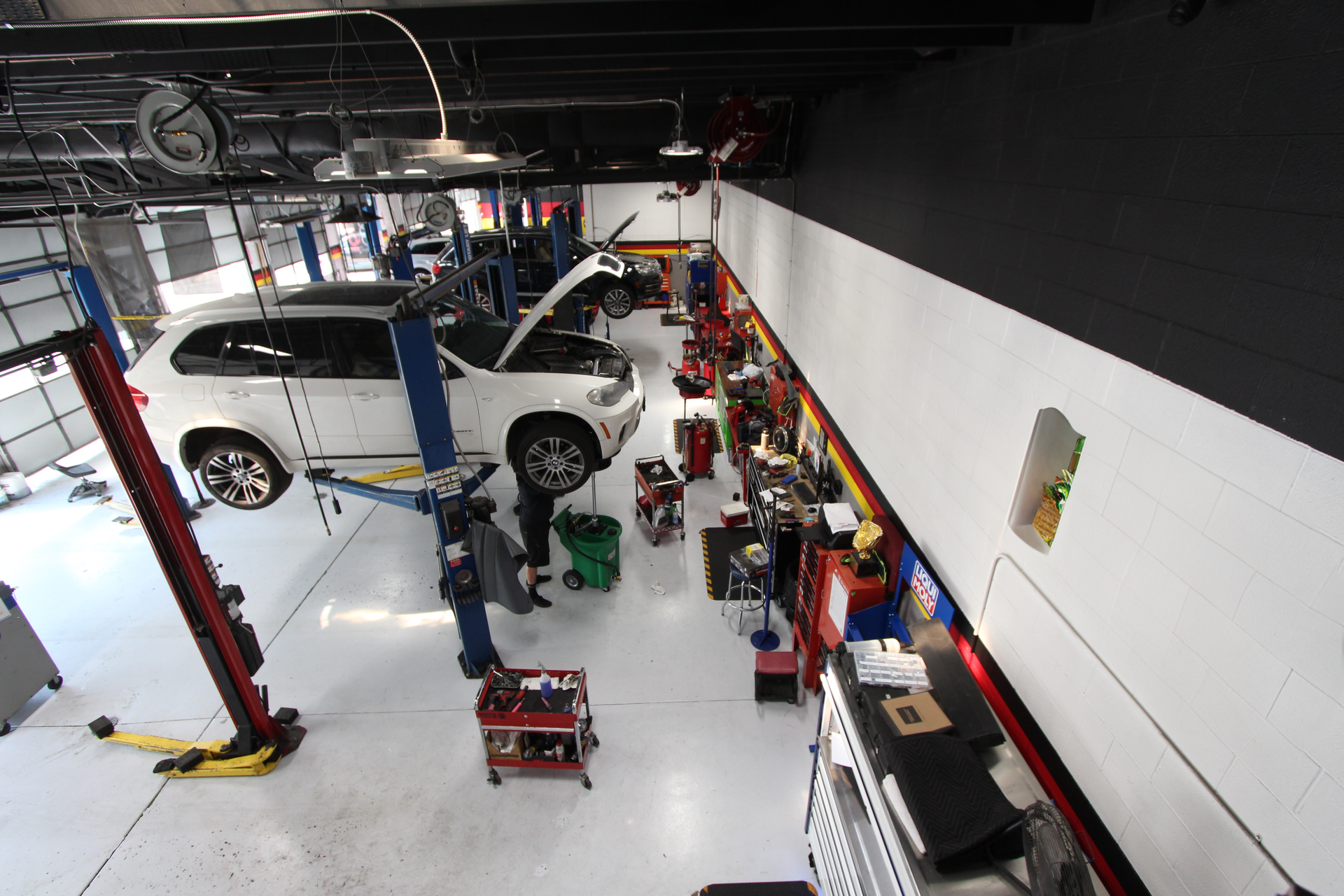
Wofford's European Car in Salt Lake City, UT, can replace your serpentine belt and check the tensioner and pulleys that commonly cause repeat belt failures.
Book a visit and get the job done once, the right way.