Porsche Maintenance Schedule: What Owners Should Do Every 10,000 Miles
Owning a Porsche means you get sharp handling, strong brakes, and a very responsive engine, but it also means you have to stay ahead on maintenance. Skipping small services may not bite you right away, yet over time, wear and heat catch up faster than many owners expect. Treating every 10,000-mile mark as a real checkpoint keeps the car feeling tight and protects the expensive parts that make it special.
Why the 10,000-Mile Interval Matters for Porsches
Porsche engines, transmissions, and brakes are built to perform, which means they live with higher loads and temperatures than an average commuter car. Even if you drive gently, the car’s design still expects regular service to keep things in balance. The 10,000-mile interval is a good rhythm because it lands often enough to catch fluid breakdown, early leaks, and suspension wear before they turn into big repairs.
For cars that see track days, mountain driving, or hot-climate use, those 10,000-mile visits are even more important. In those conditions, fluids age faster, and small problems grow more quickly. That is why many Porsche technicians treat the schedule as a baseline and adjust slightly based on how the car is really used.
What Typically Happens at a 10,000-Mile Service
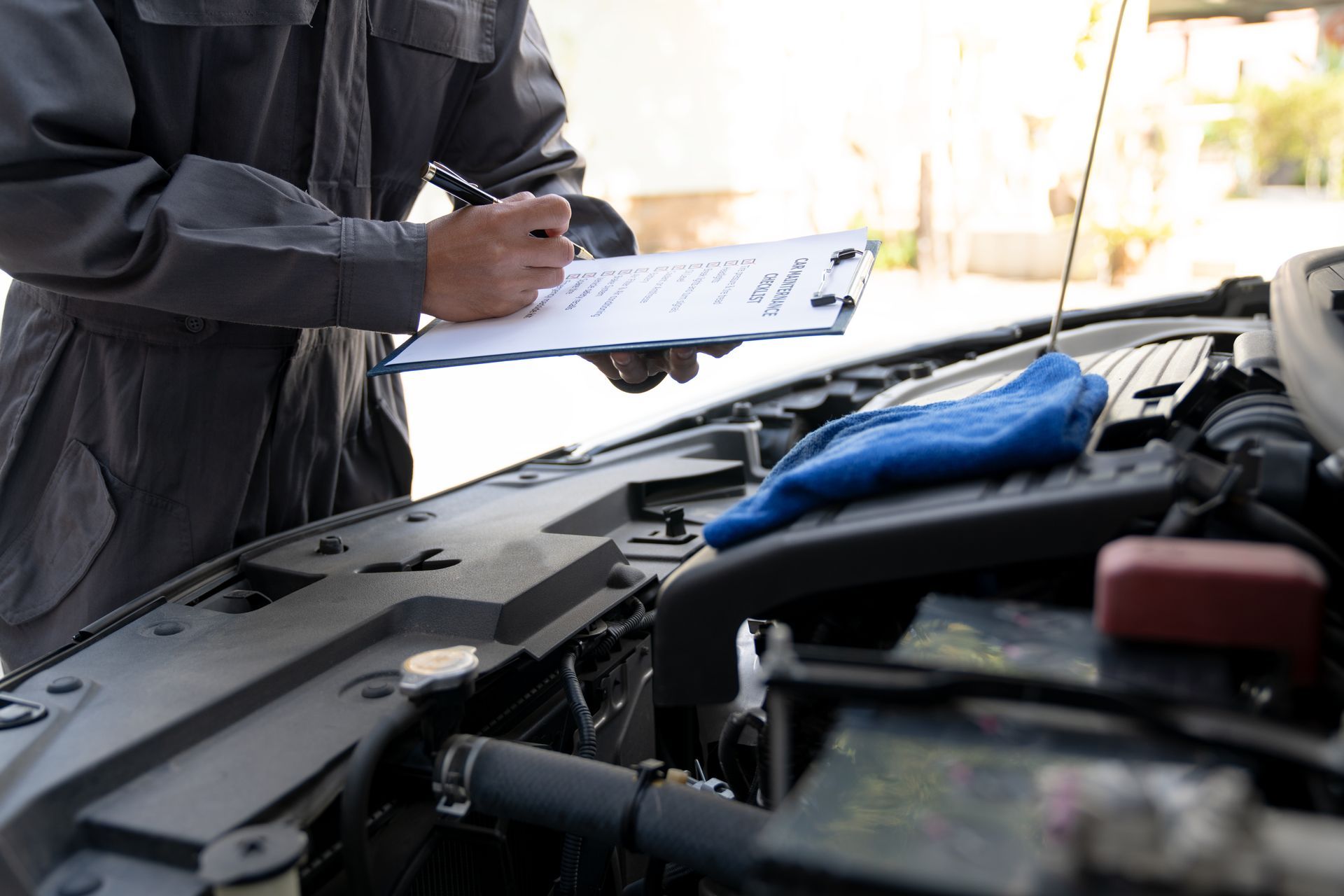
A proper 10,000-mile visit is more than an oil change. It should be a chance to look at the whole car. Typical items include:
- Engine oil and filter replacement with the correct Porsche-approved oil
- Visual inspection for oil, coolant, and gear fluid leaks
- Brake pad and rotor inspection, plus measurement of remaining thickness
- Tire inspection for wear patterns, pressures, and age
- Check of steering, suspension joints, and bushings for play or cracking
- Inspection of belts, hoses, and visible cooling system components
We like to treat this visit as a health check, not just a quick fluid swap. That perspective helps catch things early enough that you can plan repairs instead of reacting to surprises.
Fluids That Deserve Attention Around Every 10,000 Miles
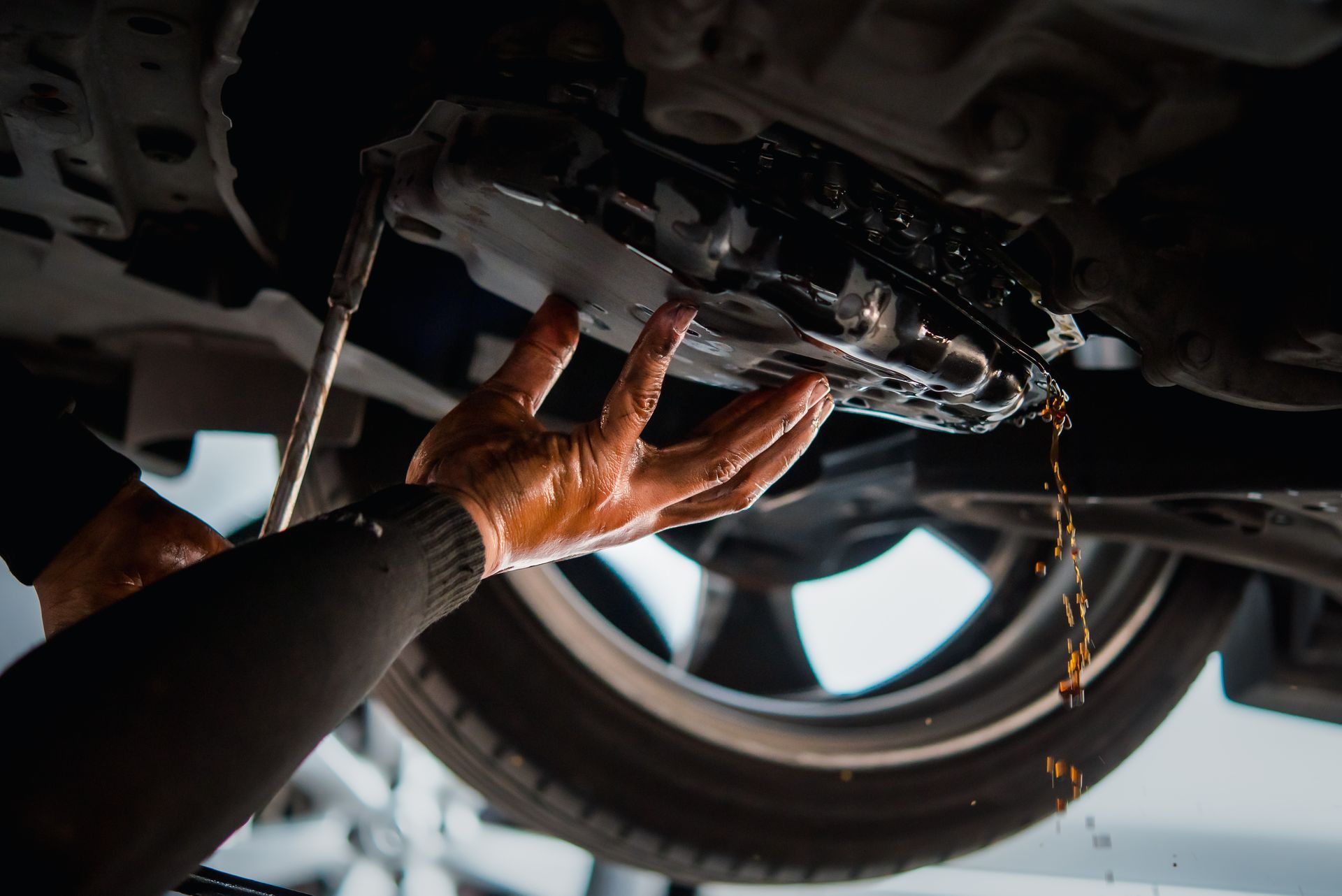
Engine oil is the obvious one, but it is not the only fluid that matters. Coolant condition plays a big role in keeping temperatures stable, especially on tightly packaged engines. If coolant looks discolored, low, or contaminated, it may be time to service the system, even if the calendar says you could wait.
Brake fluid is another one that many owners forget about. Hard use, downhill driving, or city traffic can cook brake fluid faster than you might think. Around the 20,000–30,000 mile range, or sooner if the car sees spirited driving, having the fluid tested and flushed when needed helps prevent a soft pedal and protects ABS components. Transmission and differential fluids follow longer intervals, but they should at least be inspected for level and signs of leakage at each 10,000-mile check.
Wear Items: Brakes, Tires, and Suspension at 10,000 Miles
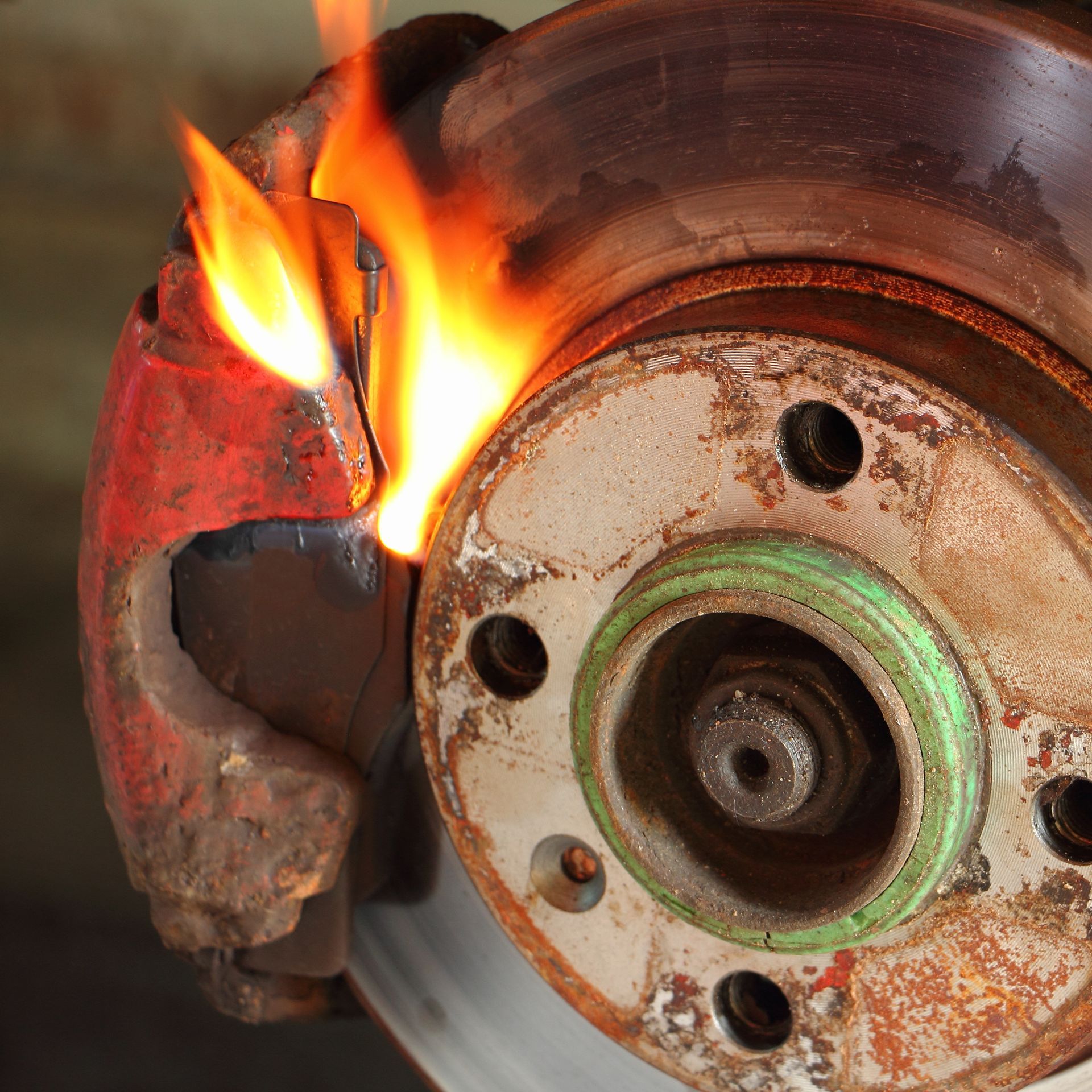
Porsche brakes are strong, but they live a hard life. At each 10,000-mile point, it makes sense to measure pad thickness, inspect rotor surfaces, and look for heat spots or cracks. You may not need parts yet, but knowing how much life is left allows you to budget realistically.
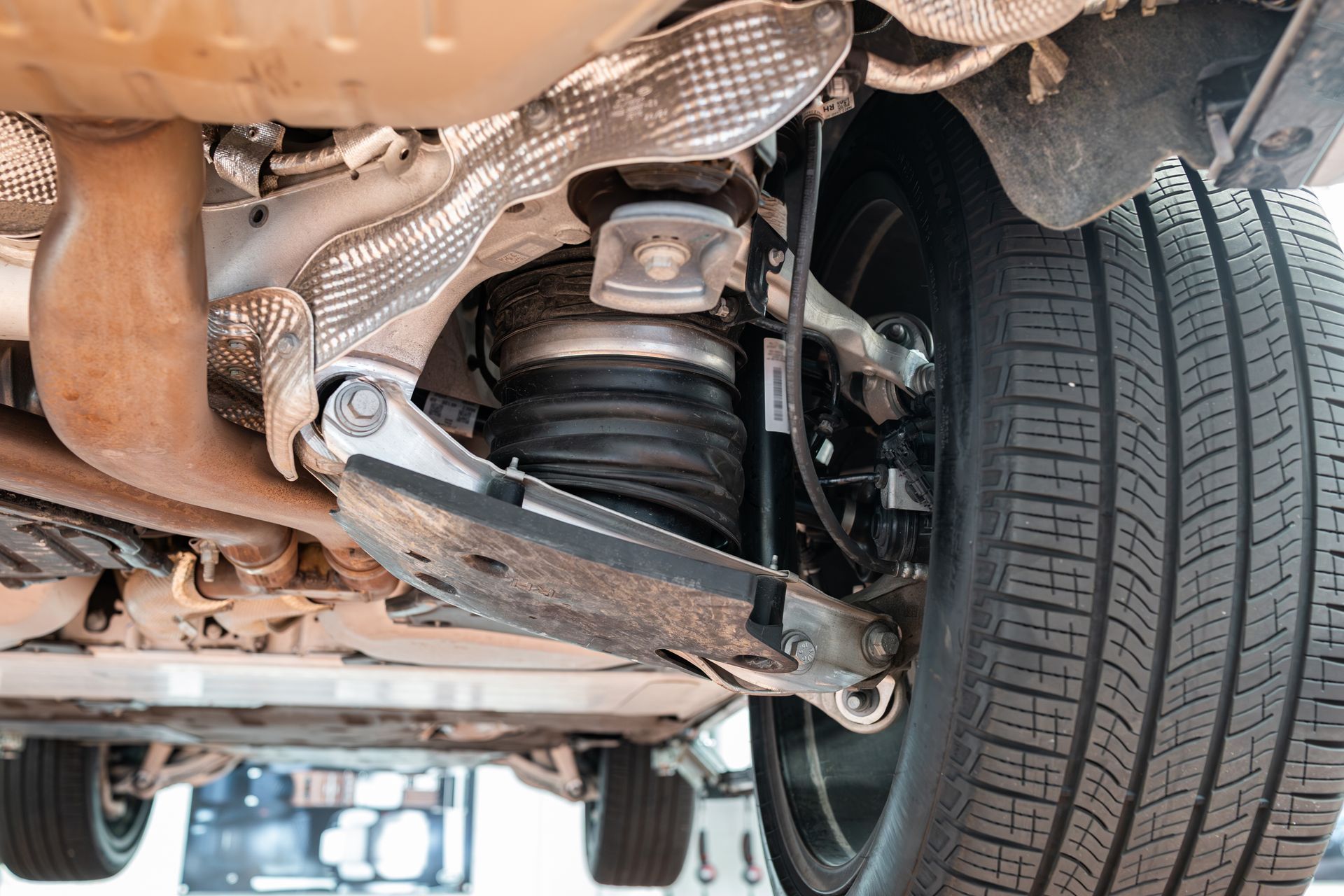
Tires tell a story about alignment and suspension. Uneven shoulder wear, cupping, or inside-edge thinning can point to alignment angles or worn bushings. A quick look at control arm bushings, tie rod ends, and ball joints can reveal early cracking or play before it turns into vague steering or abnormal tire noise. Keeping these parts in good shape is a big part of why a Porsche still feels sharp years down the road.
Owner Mistakes to Avoid Between 10,000-Mile Services
A solid maintenance schedule can be undermined by habits between visits. Some of the things that quietly work against reliability are:
- Ignoring small fluid spots on the garage floor, assuming they are “normal seepage”
- Putting off low oil or coolant messages with the idea of “waiting until the next service”
- Driving on mismatched or very old tires because they still have some tread showing
- Letting check engine lights or ABS lights stay on for months without a diagnosis
- Skipping test drives after work is done instead of confirming everything feels right
From the shop side, we have seen many big repairs that started with one of these patterns. They are simple to avoid once you know how much they can cost you later.
What to Do Now vs What Can Wait
At each 10,000-mile milestone, it helps to separate work into three buckets in your mind: “do now,” “plan soon,” and “monitor.” Fluids that are due, clearly worn brake pads, and obvious leaks land in the “do now” category. Items that still have life but show wear, like tires halfway through their tread or slightly cracked bushings, belong in the “plan soon” group so you can budget ahead.
Things that are still in good condition but worth keeping an eye on are on the “monitor” list. We like to write these down for owners so the next 10,000-mile visit builds on the last one instead of starting from scratch. That kind of planning keeps the car in top shape without feeling like every visit turns into a surprise.
Get Porsche Maintenance at 10,000 Miles in Salt Lake City, UT with Wofford's European Car
We work with Porsche models every day and understand how much a difference proper 10,000-mile maintenance makes in how they drive and how long they last. We can set up a service plan that matches your model, mileage, and driving style so you stay ahead of problems instead of chasing them.
Call
Wofford's European Car in Salt Lake City, UT, to schedule your next Porsche 10,000-mile service and keep your car performing the way it should.