Why Do Turbocharged Engines Consume More Oil?
You check your oil level and it's down again, even though you don't see spots on the driveway. The car runs well, the turbo feels strong, and there's no obvious smoke out the back. Still, you're adding a quart here and there and wondering if that's just part of turbo ownership. The honest answer is that it depends on why it's happening.
Turbo engines can be a little thirstier than you expect.
How A Turbo Changes What Oil Has To Do
A turbocharger spins fast and lives in serious heat, and oil has to lubricate and cool it at the same time. That extra heat can thin oil out, especially after a long drive or a hard pull up a grade. When oil gets hotter and thinner, it can slip past clearances more easily in places that were already a little worn. That's why some drivers notice oil use more during summer or after lots of highway time.
Turbo engines also tend to run higher cylinder pressures under boost. Higher pressure can increase blow-by, which is the small amount of combustion pressure that sneaks past the rings. More blow-by means the crankcase has more vapor to manage, and that can carry oil mist along for the ride. The result can be gradual oil loss without a dramatic symptom.
PCV Systems And Boost Pressure Work Against You
The PCV system is supposed to pull vapors out of the crankcase and send them back through the intake to be burned. On turbo engines, that job gets harder because the intake sees both vacuum and boost depending on what you're doing. Under boost, the system has to prevent pressure from pushing in the wrong direction, so it relies on check valves, separators, and passages staying clean and sealing properly. When those parts get tired, oil mist can get pulled into the intake more easily.
This is one of the most common explanations for oil use that shows up without obvious leaks. You may notice oily residue in intake piping, a film near the throttle body, or a bit more smoke after a long idle. We've seen PCV issues make owners swear the turbo is failing when the real problem was crankcase control. The fix is often more straightforward than people expect, once you confirm the cause.
Turbo Seals Are Real, But They Are Not The First Guess
People often blame the turbo seals right away, and sometimes they really are the culprit. If the turbo's bearing housing is worn or its oil drain path is restricted, oil can end up where it shouldn't, and that can show as smoke after idling or during deceleration. A restricted oil return line is sneaky because it raises pressure inside the turbo and encourages seepage even if the turbo itself isn't destroyed. That's why the oil drain path matters as much as the feed.
Still, turbo seal failure usually leaves some evidence if you look in the right places. Oil in the intercooler, heavy oily buildup in charge pipes, or consistent smoke under certain conditions can point that direction. The key is separating a light oily film, which can be normal over time, from pooling or wetness that returns quickly. A careful check keeps you from replacing an expensive part when the issue is elsewhere.
Heat, Short Trips, And Oil Choice Make A Big Difference
Short trips are harder on turbo engines than most people realize. The engine may not get hot long enough to boil off fuel and moisture in the oil, and that contamination can thin the oil and increase consumption. Then the next time you do a longer drive, the turbo heat cooks that already stressed oil even more. Over months, that cycle can raise oil use and leave deposits that make other systems work harder.
Oil choice matters too, and not just brand, but the correct spec and viscosity for the engine. Some engines do not tolerate going lighter or heavier than recommended, especially when they rely on precise oil control for turbo cooling and valve timing hardware. This is where regular maintenance pays off, as it keeps the oil fresh enough to withstand heat without breaking down early. If oil consumption increased after a change in oil type or interval, that detail is worth sharing.
Direct Injection And Ring Deposits Can Increase Oil Use
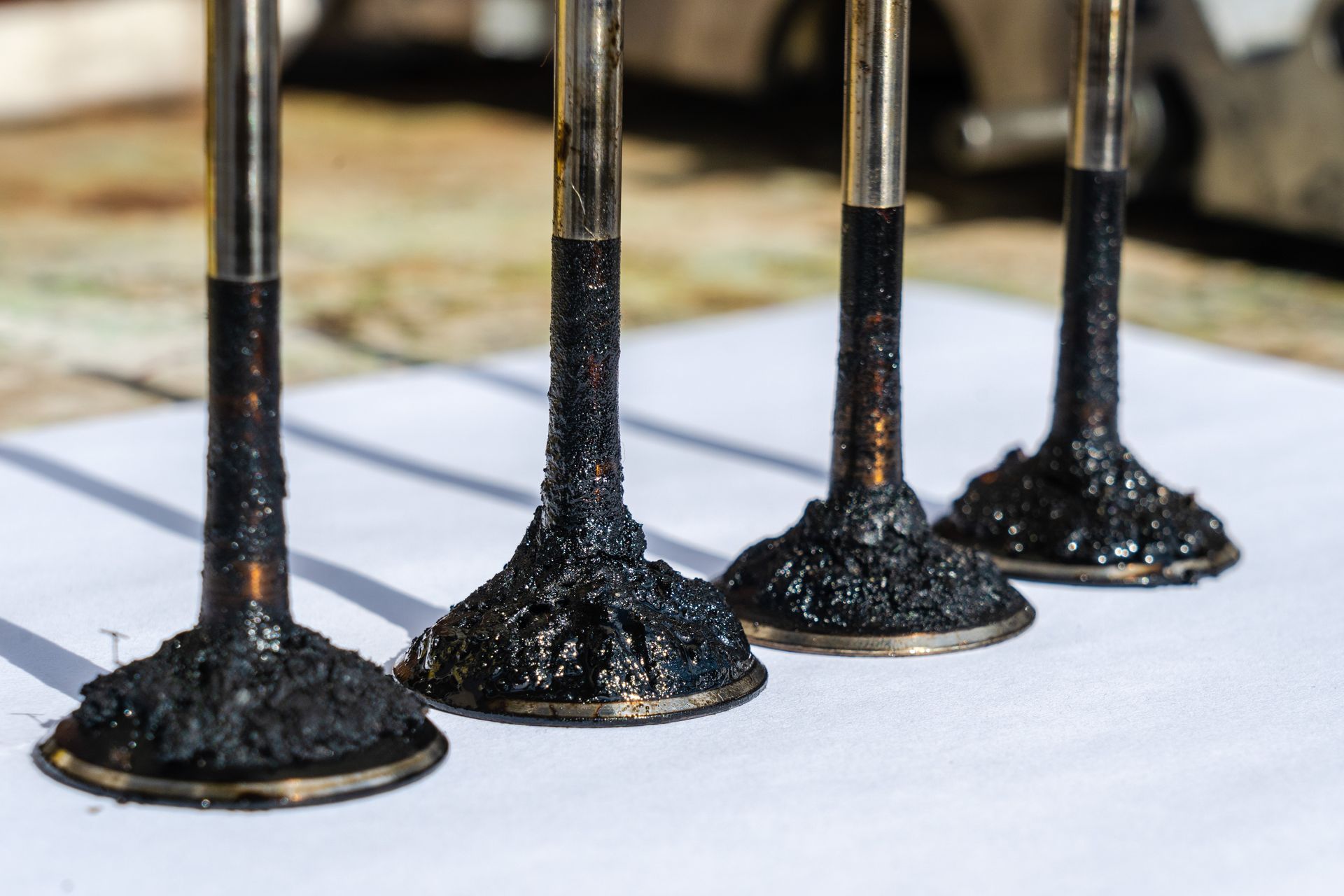
Many turbo engines are direct-injected, and that can contribute to carbon buildup and ring sticking over time. When oil control rings get gummed up, they can't scrape oil off the cylinder walls as effectively. That oil then gets burned, sometimes without an obvious smoke trail unless it's severe. The driver may only notice the level dropping between services.
Ring issues can be gradual and inconsistent at first. Oil use might spike after lots of stop-and-go, then calm down on easier highway weeks, which makes it feel random. If you also notice increased crankcase pressure signs, like oil seepage from seals that never leaked before, rings and ventilation deserve a closer look. This is also why keeping the engine from running overly rich or misfiring helps, because those conditions can accelerate deposits.
When Oil Use Is Normal And When It Needs Attention
Some oil consumption can be considered normal, especially as mileage climbs, but the rate matters. If you're adding a little occasionally and it stays consistent, it may be manageable with monitoring. If the rate is increasing, or you're adding oil often enough that you're worried about running low, that's when it shifts from annoyance to a real risk. Low oil can starve the turbo first, and that's not a gamble you want to take.
A good approach is to track how much oil you add and how many miles are between top-offs. Also note when it happens, like mostly after highway drives or mostly after city drives. An inspection that looks for external seepage, PCV function, and intake oil evidence can usually narrow it down quickly. Our technicians prefer to confirm what's actually happening before recommending parts, because oil use has more than one believable explanation.
Get Turbo Oil Consumption Help In Salt Lake City, UT, With Wofford's European Car
Wofford's European Car can pinpoint why your turbo engine is using oil and recommend a realistic plan, whether that's addressing crankcase ventilation, heat-related oil stress, or a leak you can't see from the driveway.
Schedule a visit before the oil level drops low enough to cause bigger headaches.