What Makes European Auto Repair Different From Other Vehicles?
European vehicles have a different feel on the road. The steering, braking, suspension, power delivery, and cabin response are often tighter and more refined than those of many standard vehicles. That is part of the appeal, but it also means the repair process must match how these cars are built.
European auto repair differs because the systems are more specialized, service procedures are more specific, and small mistakes can lead to expensive problems. A shop that works on these vehicles needs to understand the engineering behind them, not just the symptoms in front of them.
European Vehicles Use More Specialized Systems
Many European cars are built around advanced suspension designs, turbocharged engines, direct injection, performance braking systems, and tightly managed electronics. These systems are designed to give the vehicle a certain feel, but they also require the right testing and service approach.
A rough idle, warning light, coolant leak, or suspension noise can have several possible causes. On a European vehicle, the cause might involve a sensor, module, vacuum system, oil separator, control arm bushing, or software-related issue. Our technicians look at how the system works as a whole rather than treating one symptom as the full answer.
The Fluids And Parts Must Match The Vehicle
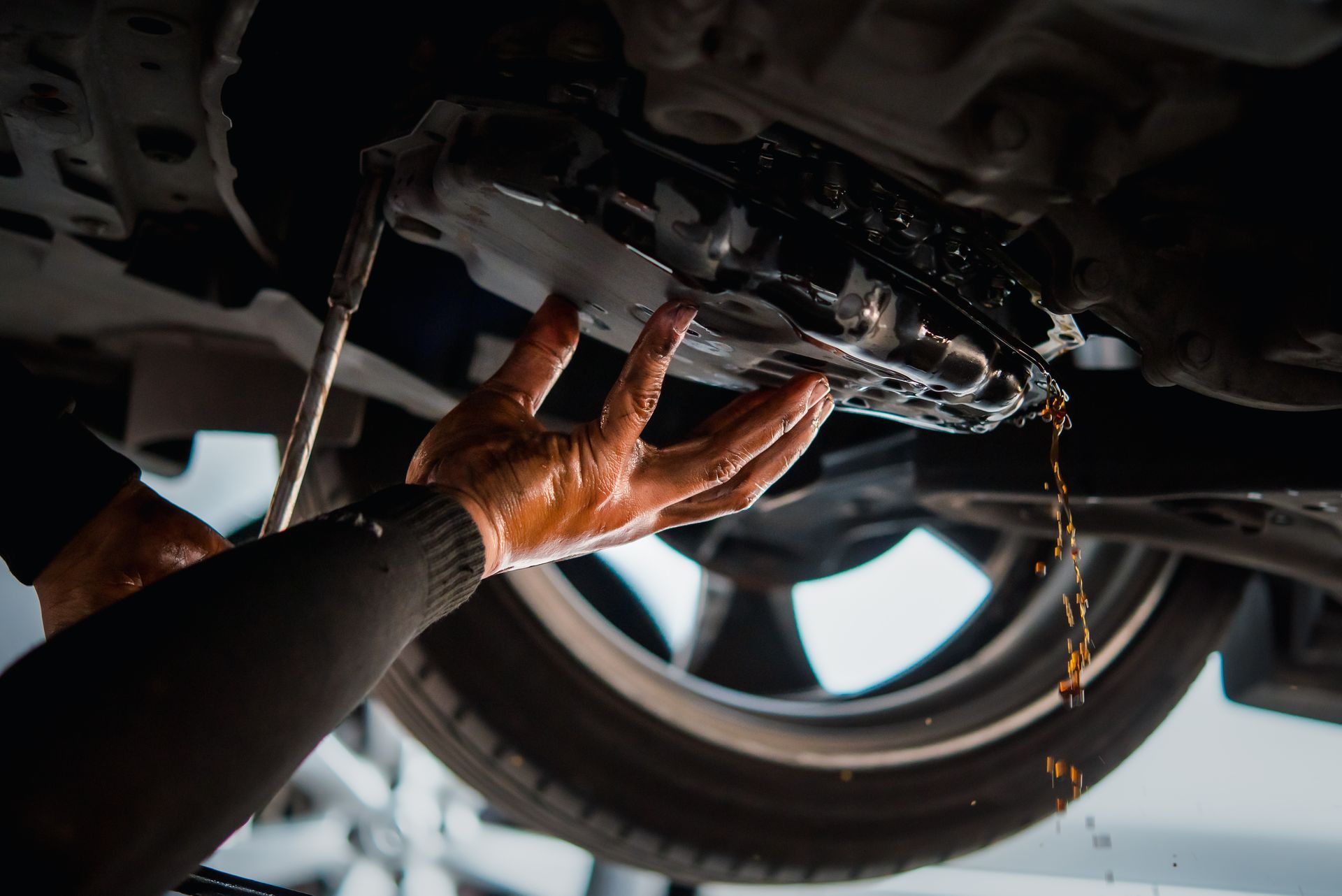
European vehicles are often very specific about oil, coolant, brake fluid, transmission fluid, filters, spark plugs, and replacement parts. The correct fluid is not just a preference. It can affect engine wear, cooling performance, shifting quality, brake feel, and long-term reliability.
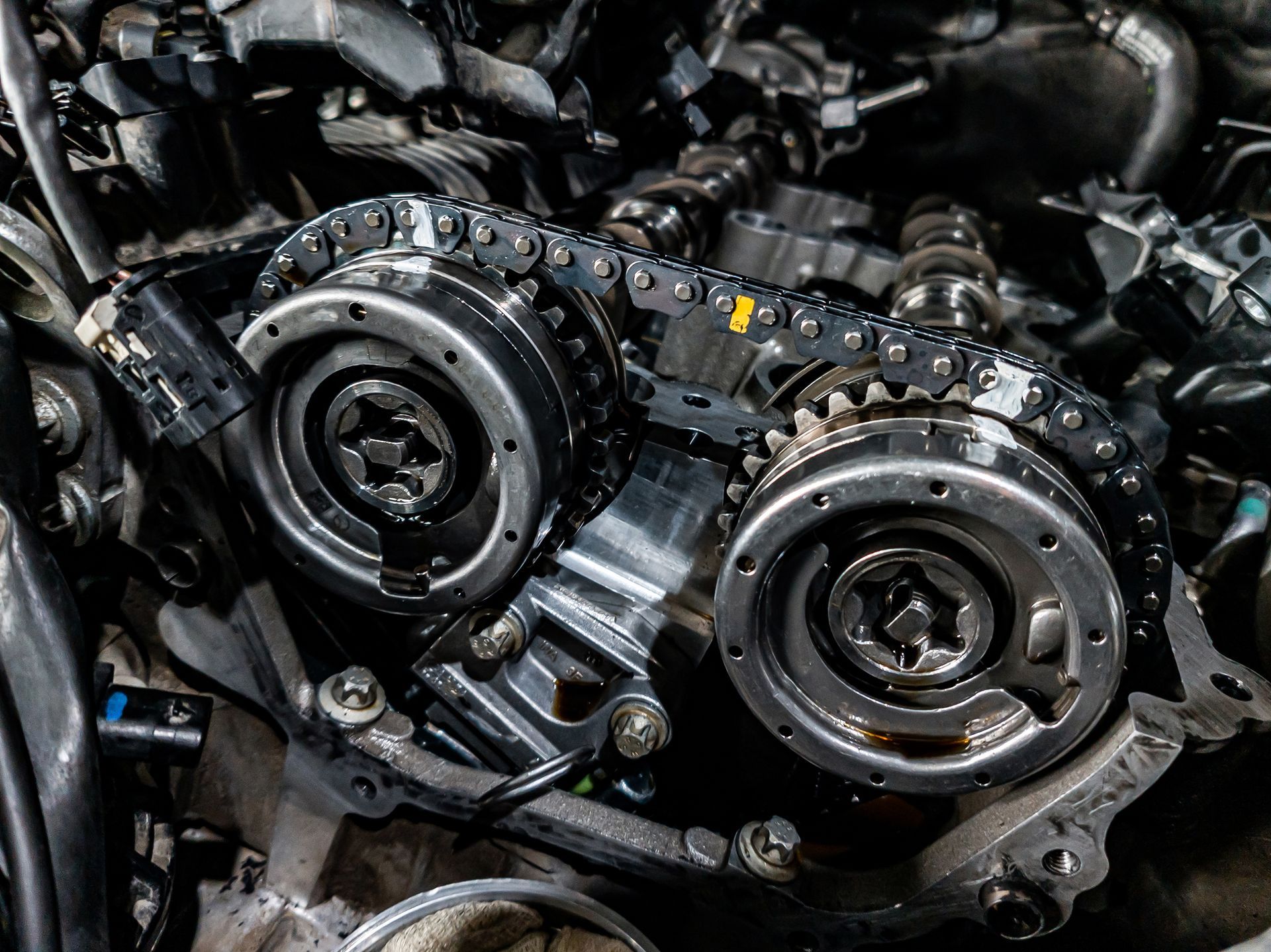
Using the wrong oil can create issues with timing components, turbochargers, or variable valve timing. The wrong coolant can affect seals and cooling system materials. A low-quality part might fit, but it may not perform correctly under the heat, pressure, and load the vehicle was designed for. That is why European auto repair depends heavily on the right specifications.
Diagnostics Need To Go Deeper
A basic scan can read a code, but that does not always explain what failed. European vehicles store detailed data in engine, transmission, brake, suspension, body, and safety modules. Those systems constantly communicate with each other so that a single fault can trigger multiple warnings.
For example, a weak battery can create steering, transmission, comfort access, or start-stop warnings. A vacuum leak can appear to be a sensor problem. A misfire can damage the catalytic converter if left unchecked. We use diagnostic information as a starting point, then confirm the cause with testing before recommending a repair.
Maintenance Is More Precise
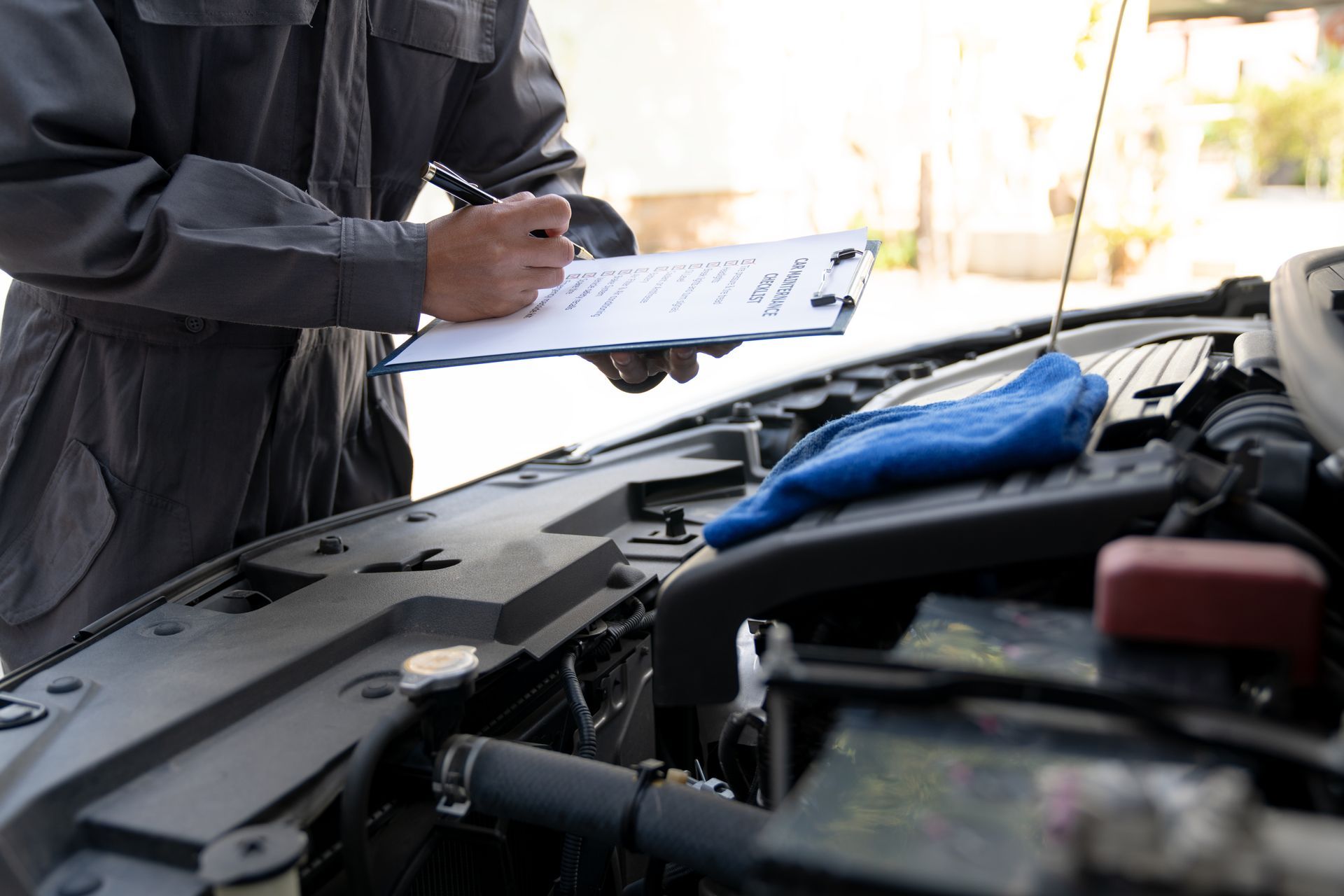
Regular maintenance is especially important on European vehicles because small delays can affect larger systems. Oil service, brake fluid service, coolant checks, spark plugs, filters, belts, and transmission service all help protect parts that are more expensive to repair once they fail.
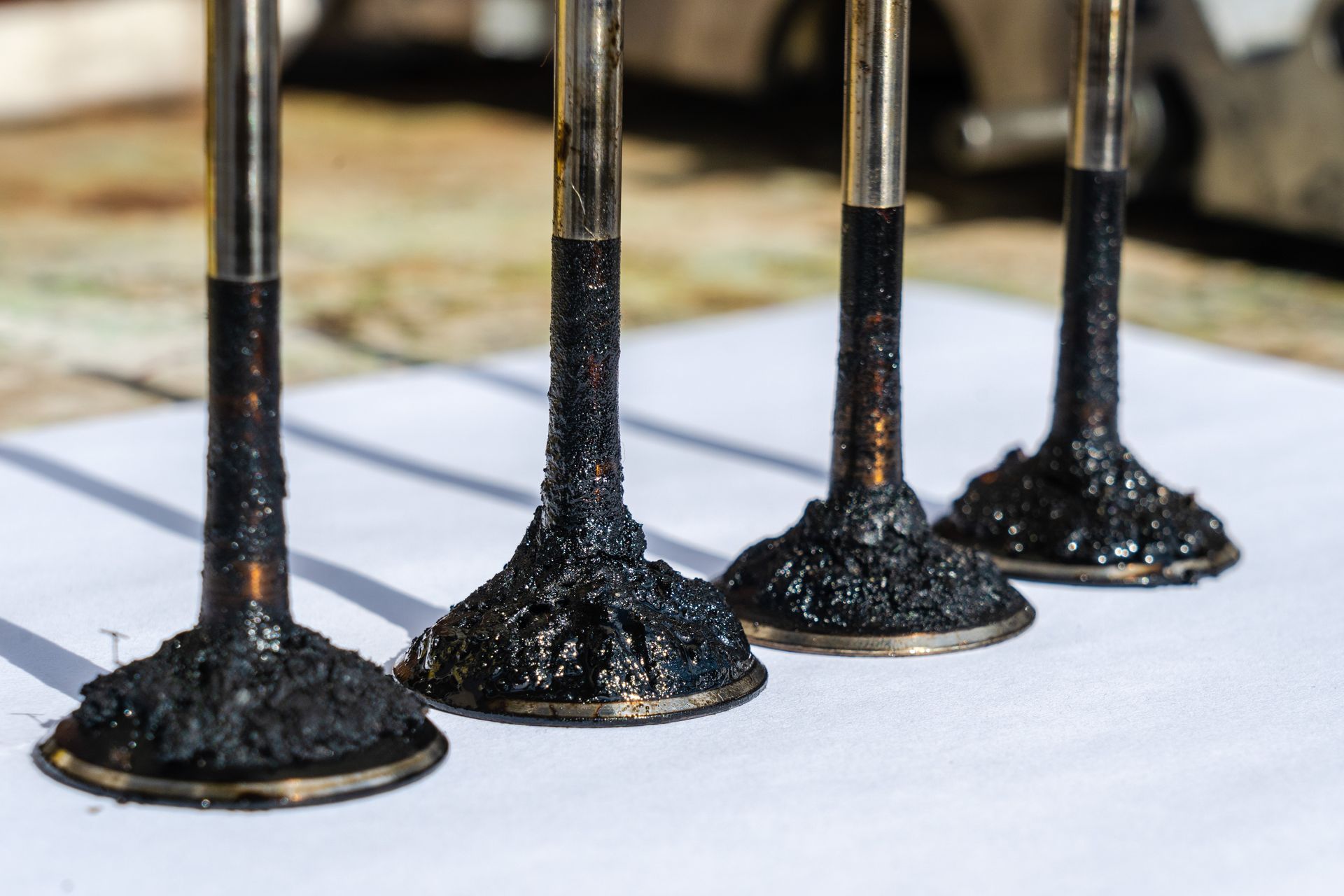
Some drivers wait because the car still feels fine. That can be risky. A European engine might keep running well while oil leaks, carbon buildup, or cooling system wear are already developing. Staying ahead of service keeps the vehicle closer to how it was designed to feel and helps avoid repairs caused by neglect.
Suspension And Brakes Are Built For A Certain Feel
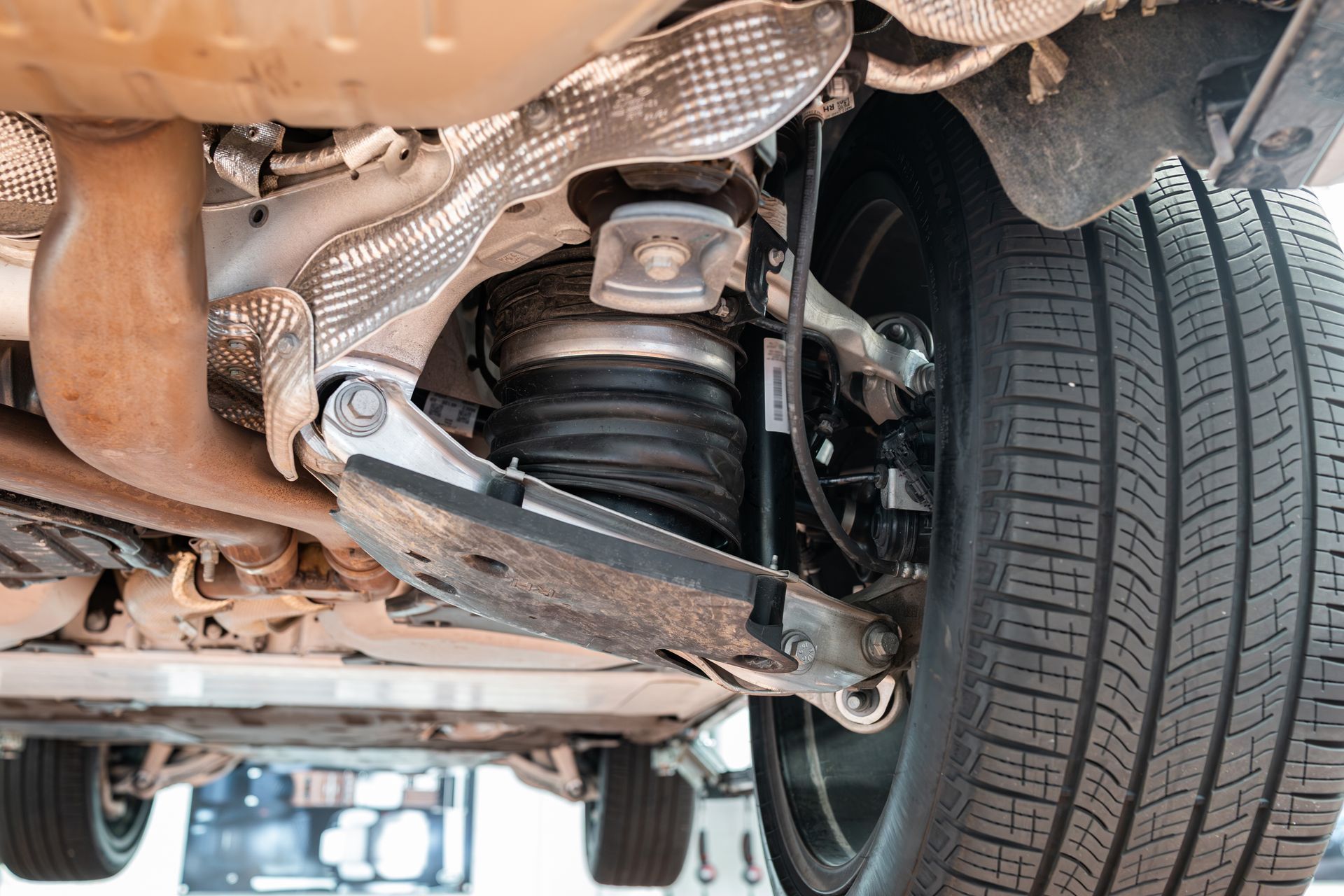
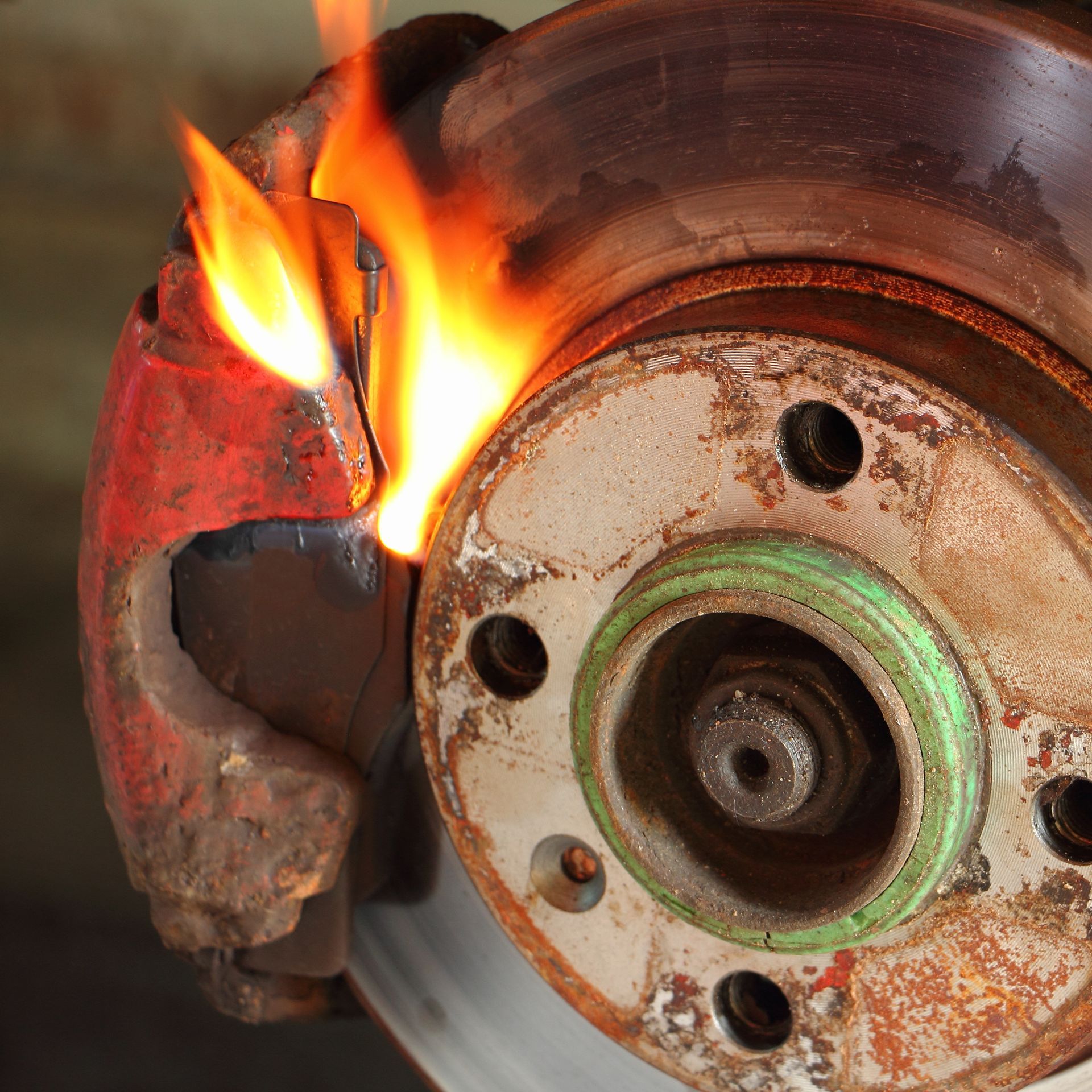
European vehicles are known for steering response and road feel. That depends on suspension and brake parts staying in good condition. Control arms, bushings, ball joints, shocks, struts, mounts, brake pads, rotors, and sensors all play a role in how the vehicle handles.
When those parts wear, the change can be subtle at first. The car might feel less planted, make a small clunk over bumps, vibrate while braking, or wear tires unevenly. A proper inspection can determine whether the issue is suspension wear, alignment, brake condition, or tire-related issues before the problem spreads.
Cooling Systems Need Fast Attention
Cooling system problems are common on many European vehicles and should be addressed promptly. Plastic fittings, expansion tanks, water pumps, thermostats, hoses, radiators, and seals can weaken with age and heat. A low coolant warning, sweet smell, or rising temperature gauge should not be ignored.
Overheating can turn expensive fast. Adding coolant might get the vehicle through the moment, but it does not explain where the coolant went. The source has to be found before heat damages gaskets, seals, or internal engine parts.
Experience Helps Avoid Costly Mistakes
European auto repair rewards careful work. The right shop should know where common problems show up, which tests matter, and which parts should be checked together. A warning light or leak should not lead straight to a big recommendation without proof.
Experience also helps with communication. Drivers should understand what is urgent, what can wait, and what repair will actually solve the problem. That kind of clarity is important when working on vehicles where the wrong repair can get expensive quickly.
Get European Auto Repair In Salt Lake City, UT, With Wofford's European Car
If your European vehicle has a warning light, an oil leak, a cooling issue, a brake concern, suspension noise, or a performance change, Wofford's European Car in Salt Lake City, UT, can inspect it and recommend the right repair path.