How Does Utah Heat And Mountain Driving Affect Your Vehicle's Brakes? How Often Do You Need Brake Service?
Brakes do not wear the same way everywhere. A car used mostly on flat roads in mild weather lives a different life than one driven through Salt Lake City traffic, summer heat, canyon roads, and long downhill grades. The brakes may have the same parts, but the workload is not the same.
Utah driving can be hard on brakes because it combines heat, elevation changes, traffic, dust, and quick temperature swings. A brake system that feels normal during short errands may feel completely different after a steep descent or a hot afternoon drive with a full car. That is why brake service should be based on condition and driving style, not mileage alone.
Heat Is What Brakes Fight Every Day
Brakes work by turning motion into heat. When the pads press against the rotors, friction slows the vehicle. The heavier the vehicle, the faster it is moving, and the longer the downhill stretch, the more heat the brakes must handle.
Some heat is normal. Too much heat changes the way brake parts behave. Pads can glaze, rotors can develop uneven surfaces, and brake fluid can lose confidence if it is old or moisture-contaminated. Heat can also make a small caliper or hardware problem feel much worse.
In Utah summer conditions, the brakes start the day already warmer than they would in cooler weather. Add canyon driving, stop-and-go traffic, and repeated braking, and the system has less room to recover between stops.
Mountain Driving Is Different From City Braking
City braking usually happens in short bursts. You stop at a light, move again, stop in traffic, then drive a few blocks. Mountain driving is different because the brakes may be used repeatedly for long stretches, while gravity constantly tries to accelerate the vehicle downhill.
Lightly riding the brake pedal during a descent can be harder on the system than drivers expect. Even with light pedal pressure, the pads and rotors may be in contact for minutes at a time. That steady friction builds heat and can lead to brake fade.
Brake fade can make the vehicle feel like it's no longer slowing with the same confidence. The pedal may still be there, but the response feels weaker. If that happens, the brakes have been pushed beyond the condition you want for safe mountain driving.
European Vehicles Can Be Sensitive To Brake Condition
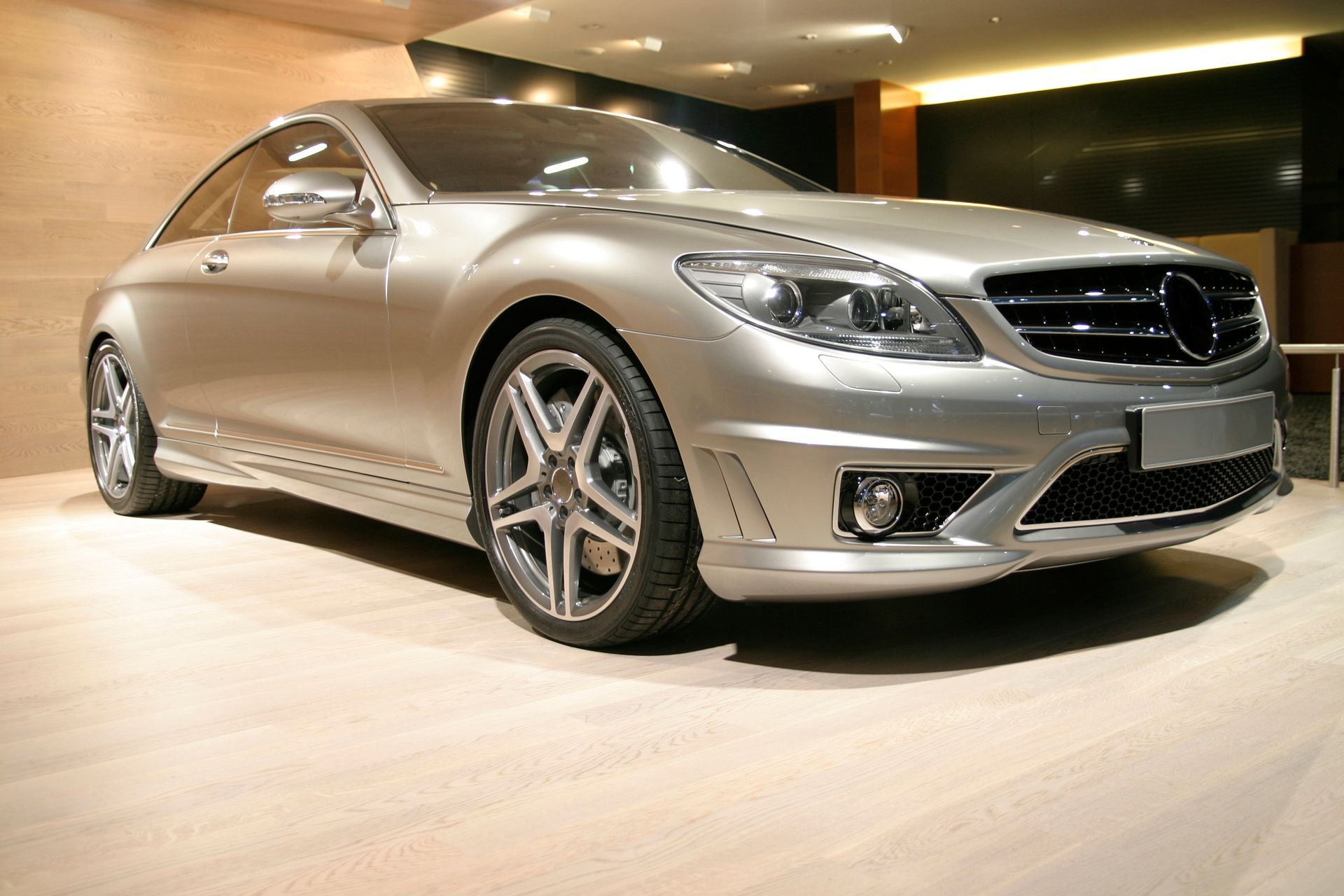
Many European vehicles are built with strong braking systems, but that does not mean they can ignore wear. Performance-oriented brakes often use pad and rotor materials designed for confident stopping, and those parts can produce dust or wear differently than drivers expect.
On some European models, brake feel is part of the driving experience. When rotors develop vibration, pads wear unevenly, or fluid gets old, the driver may notice it quickly. The pedal feel changes, the steering wheel shakes, or the car does not slow with the same clean response.
The right brake service also means using parts that match the vehicle. Cheap pads may be noisy, dusty in the wrong way, harsh on rotors, or unable to handle repeated heat cycles the way the vehicle needs.
Brake Fluid Matters More Than Most Drivers Think
Brake fluid is easy to forget because it is hidden inside the hydraulic system. It transfers pressure from the pedal to the brakes at the wheels. It also has to handle heat from repeated braking.
Over time, brake fluid absorbs moisture. That moisture lowers the fluid’s boiling point. During hot weather or mountain driving, old fluid can become a bigger concern because the brakes are already under heat stress.
A soft pedal after repeated braking can involve old fluid, air in the system, overheating, hoses, or other hydraulic issues. Brake fluid service is not just a detail. It is part of keeping the brake pedal consistent under demanding conditions.
Signs Utah Driving Is Taking A Toll On Your Brakes
Brake wear is not always quiet, and the details can tell you what kind of problem may be developing.
- A steering wheel shake while braking downhill can point toward rotor surface issues or heat-related brake wear that becomes more obvious at higher speeds.
- A hot-brake smell after canyon driving may mean the brakes were overheated, especially if it's sharp, dusty, or coming from one wheel more than the others.
- A squeal during light braking can come from worn pads, glazed pad surfaces, brake dust, hardware issues, or pad material that no longer contacts the rotor correctly.
- A soft or longer pedal after repeated stops can point toward old brake fluid, air in the system, overheating, or hydraulic parts that need attention.
- A vehicle that pulls while braking may have uneven brake force, a sticking caliper, tire issues, or suspension wear affecting how the vehicle slows down.
These signs should be checked before the next long descent. Brakes that are already complaining in town are not the brakes you want to test on a mountain road.
How Often Do You Need Brake Service?
There is no single mileage number that fits every vehicle. Some drivers wear brake pads faster because they drive in traffic, descend mountain roads often, carry extra weight, or brake late and hard. Others get more life from their brakes because they drive gently and use engine braking correctly on grades.
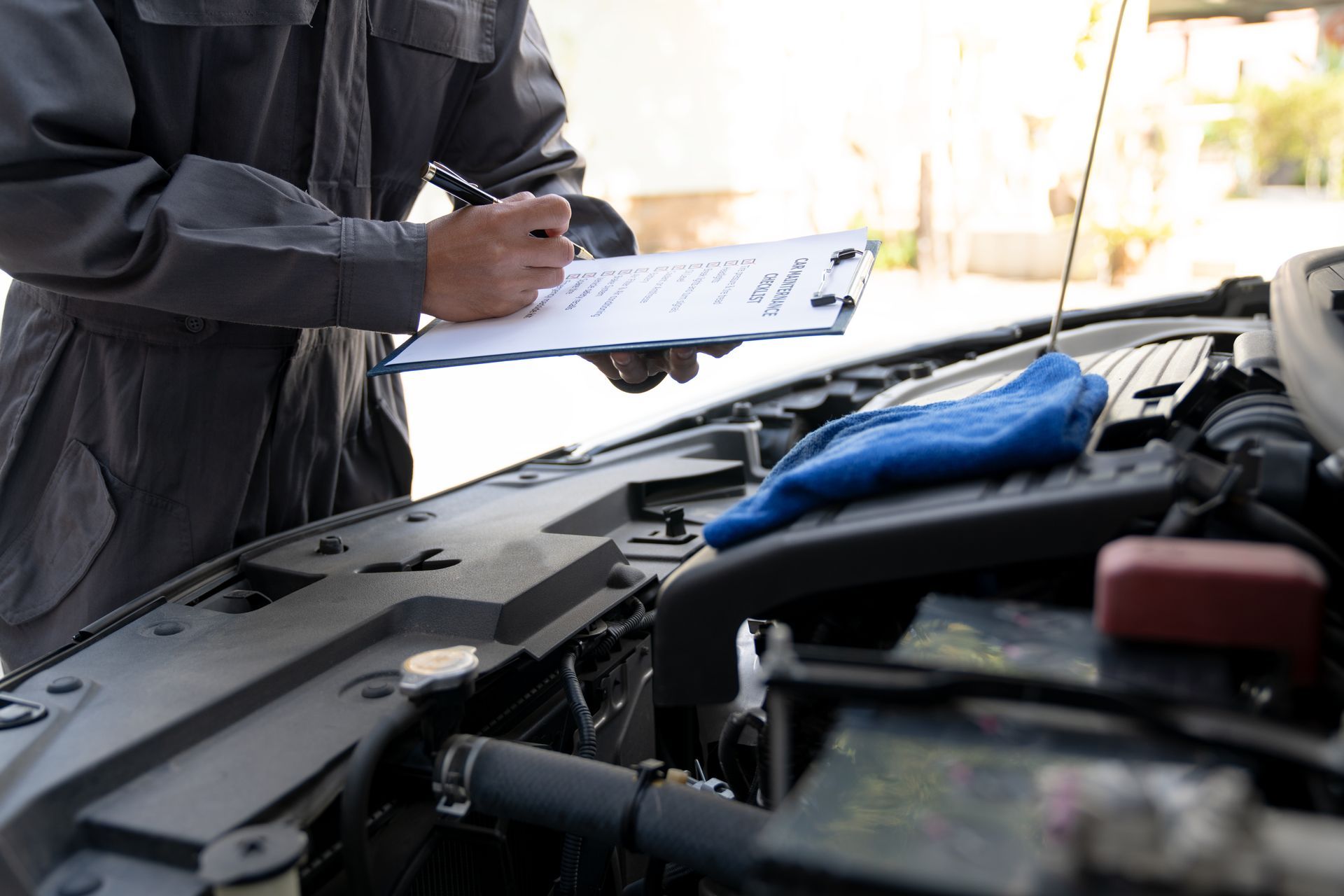
A brake inspection should happen any time you hear noise, feel vibration, notice pedal changes, smell heat, or see a brake warning light. It is also smart to check the brakes before road trips, mountain drives, or seasonal driving changes.
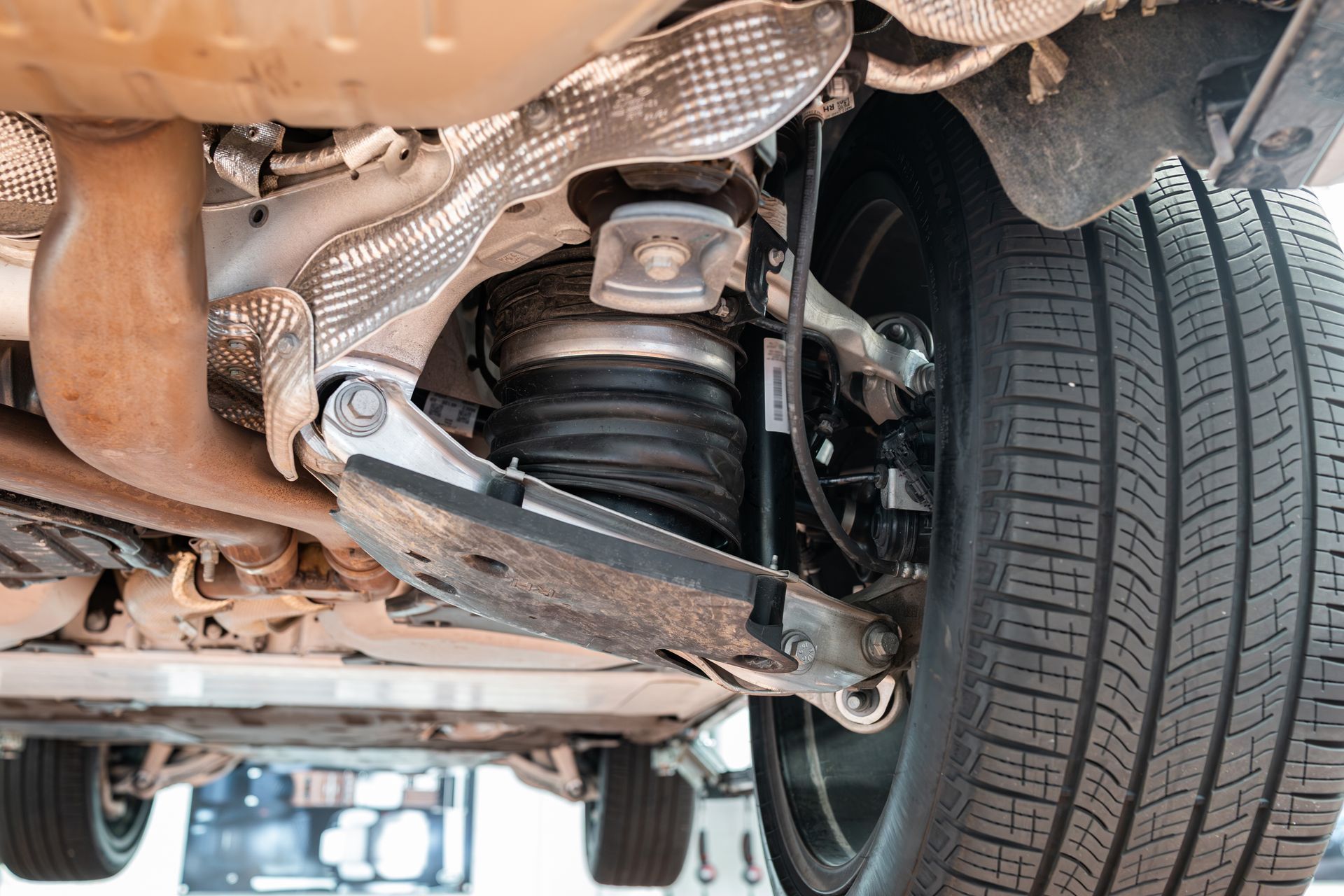
Pads, rotors, brake fluid, calipers, hoses, hardware, and parking brake parts should all be considered. Replacing pads without checking the rest of the system can leave the original problem behind.
Better Driving Habits Help Brakes Last
On long downhill grades, using a lower gear can help control speed without forcing the brakes to do all the work. Short, firm braking when needed is often better than dragging the pedal for long stretches, as long as it is done safely and with traffic in mind.
Leaving more following distance also helps. It gives you time to slow gradually instead of making repeated hard stops. If the vehicle is loaded with passengers, luggage, bikes, or ski gear, expect the brakes to work harder.
Regular maintenance gives the brake system a better chance of handling those conditions. The goal is not just to replace worn parts. It is to keep the vehicle from stopping unpredictably when Utah roads ask more of it.
Get European Vehicle Brake Service In Salt Lake City, UT, With Wofford's European Car
If your vehicle has brake noise, vibration, hot smells, a soft pedal feel, uneven stopping, or you are planning mountain driving, Wofford's European Car in Salt Lake City, UT, can inspect the pads, rotors, brake fluid, calipers, hoses, and related parts.
For European vehicle brake service built around Utah driving conditions,
contact us to schedule an appointment.