6 Common Problems Found in Porsche Models Built After 2010
Porsche models built after 2010 can feel modern, quick, and composed even as mileage starts to change the way they behave. That is part of what makes these vehicles enjoyable to own. It is also part of what makes early problems easy to overlook.
A Porsche may still feel sharp while a coolant leak, ignition issue, suspension problem, or electronic fault is starting in the background. The earlier those changes are checked, the better your chance is of keeping the repair focused rather than letting one problem affect several systems.
1. Coolant Leaks
Coolant leaks are among the most common concerns on modern Porsche models. Hoses, fittings, reservoirs, radiators, water pumps, and thermostat housings all deal with heat and pressure. A small leak can begin with a low coolant message, a faint sweet smell, or dried residue near a connection.
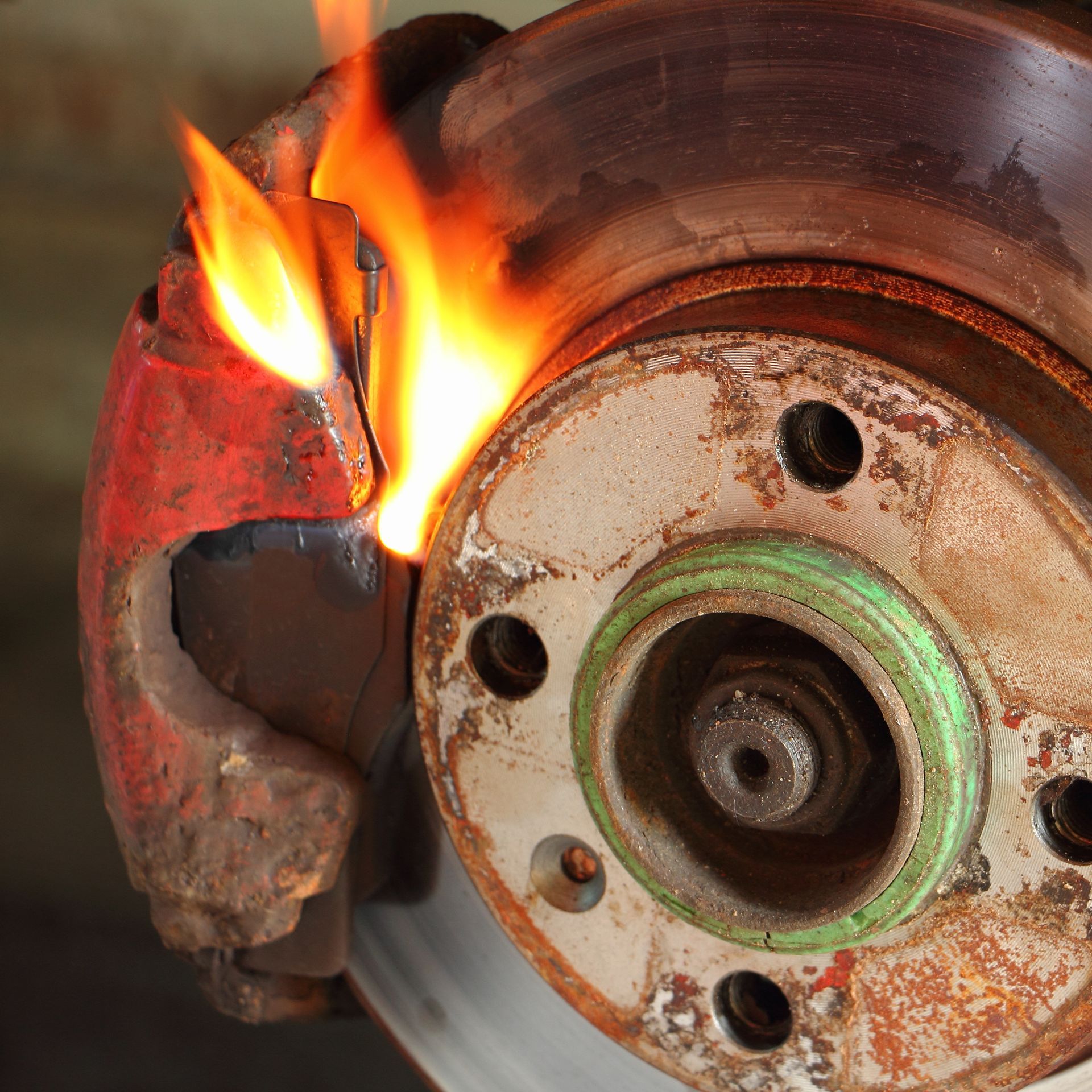
The car may still drive normally at first, which is why some owners keep topping off the reservoir. That is not a repair. If the coolant level keeps dropping, the system is losing fluid somewhere. Porsche engines do not respond well to overheating, so even a small leak deserves an inspection before heat turns a cooling system repair into engine damage.
2. Oil Leaks And Burning Smells
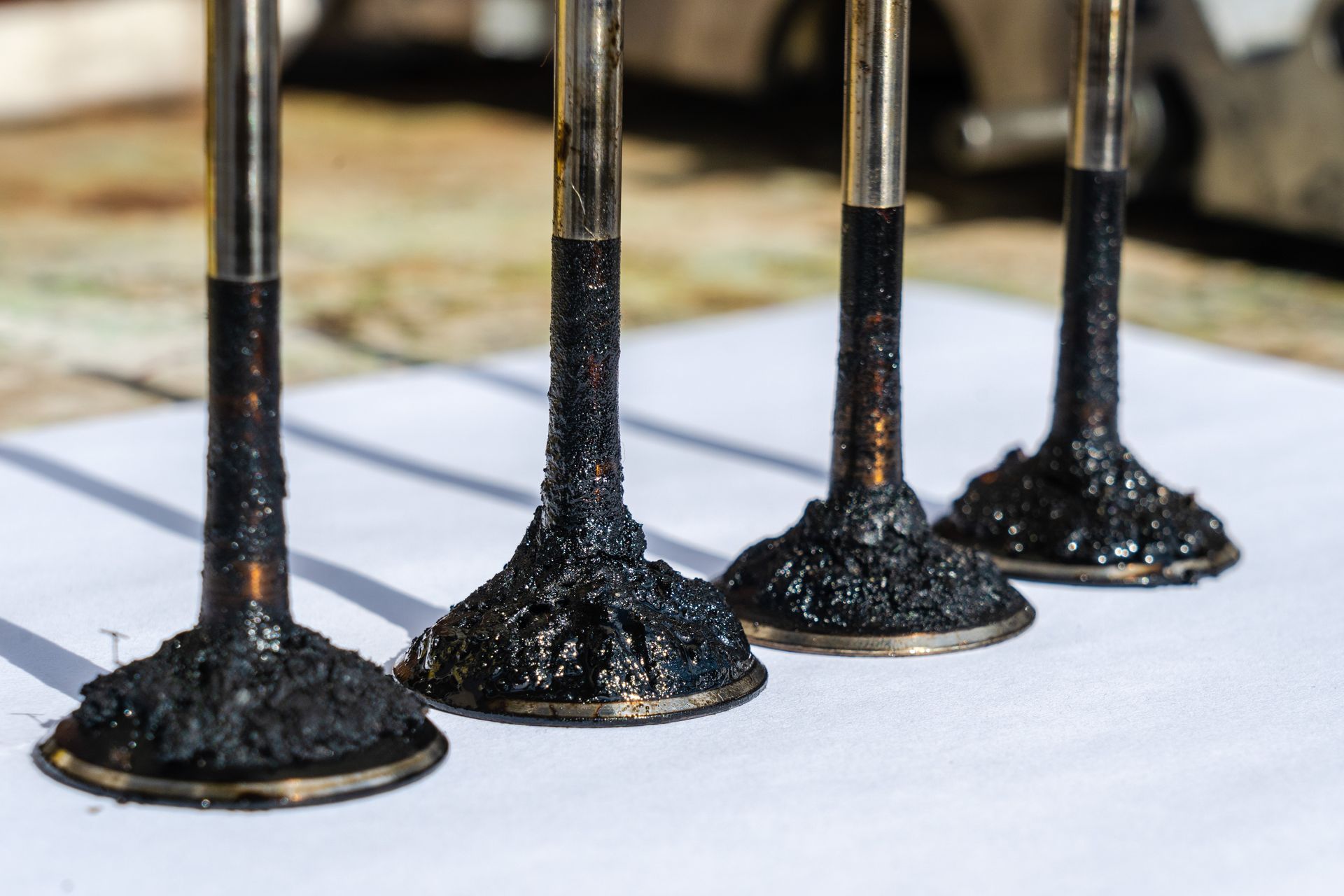
Oil leaks can show up around valve covers, oil filter housings, timing covers, turbo oil lines, or other sealing points, depending on the model. Some leaks leave spots under the vehicle. Others show up first as a burning oil smell after a drive.
The concern is not only the lost oil. Oil can drip onto hot exhaust parts, soften rubber components, collect grime, and make the engine bay harder to inspect later. A small leak is much easier to handle before it spreads or causes a low oil condition.
3. Ignition Coil And Spark Plug Issues
Modern Porsche engines need strong ignition performance to stay clean and responsive. Worn spark plugs or weak ignition coils can create misfires, hesitation, rough idle, or a check engine light. Sometimes the symptom is light at first and only appears under acceleration.
Misfires should not be ignored. Unburned fuel can enter the exhaust and damage the catalytic converter if the problem continues. Regular maintenance helps keep spark plugs and ignition parts from falling behind, especially on vehicles driven hard or used mostly for short trips.
4. PDK Transmission And Driveline Concerns
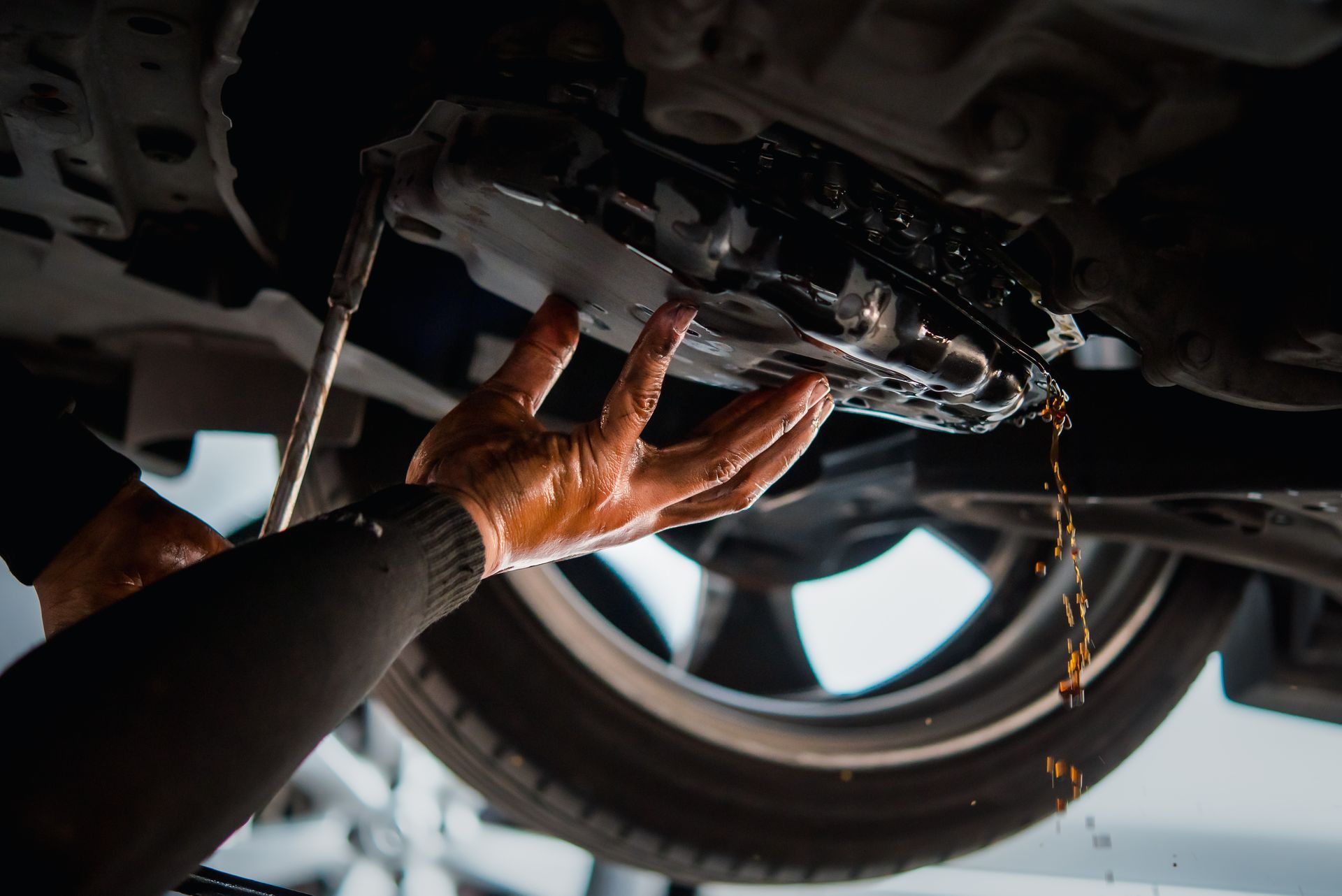
Many Porsche models built after 2010 use the PDK transmission, which is known for fast, clean shifts when everything is working correctly. If shifts become harsh, delayed, hesitant, or uneven, the transmission and driveline need attention. Some drivers also notice shuddering, warning messages, or a change in launch feel.
The cause can involve fluid condition, mounts, sensors, clutch control, software, or internal wear. Porsche driveline systems are not the place for quick assumptions. Testing should confirm whether the issue is service-related, electronic, mechanical, or tied to another system before repairs are recommended.
5. Suspension Wear And Ride Changes
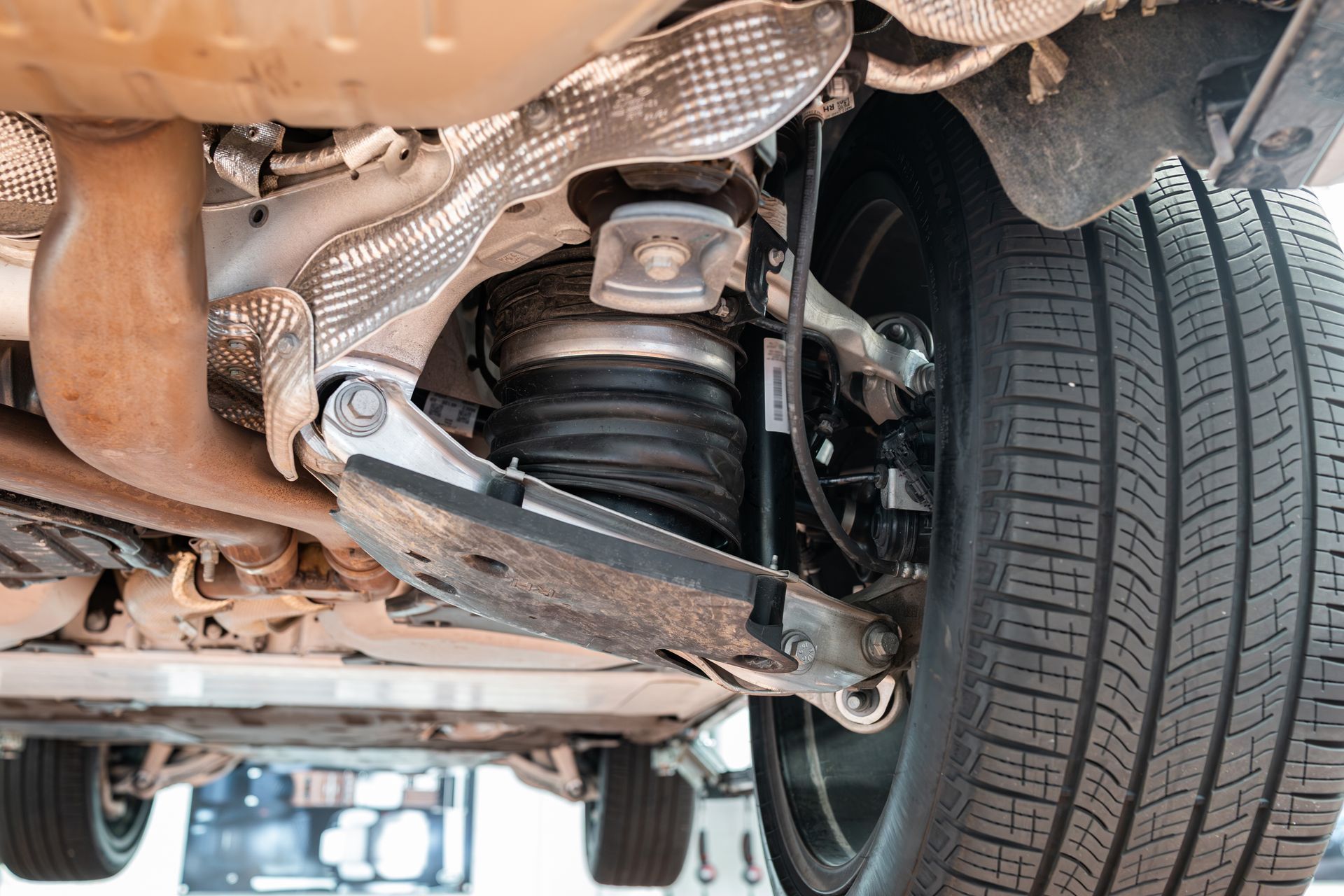
A Porsche should feel stable, planted, and precise. As the suspension wears, the car can lose that tight feel. Clunks over bumps, uneven tire wear, loose steering feel, vibration, or a harsher ride can all point toward worn control arms, bushings, shocks, struts, links, mounts, or wheel bearings.
Some models with adaptive or air suspension can have additional concerns, including compressor, sensor, or air spring issues. Tire wear is an important clue because it can reveal alignment or suspension problems before the owner notices a major change in handling. Catching suspension wear early helps protect tires and preserves the way the car is supposed to drive.
6. Electrical Faults And Warning Lights
Porsche models built after 2010 rely heavily on modules, sensors, batteries, charging systems, and communication networks. A weak battery can create warning lights that seem unrelated. Low voltage, poor grounds, failing sensors, or software-related faults can all create strange behavior.
Owners may notice screen glitches, lighting issues, keyless start problems, warning messages, or intermittent faults. These problems require proper diagnostics, as the first warning light is not always the failed part. A sensor code can be caused by wiring, voltage, or communication trouble. Testing the system carefully prevents expensive parts from being replaced too quickly.
Get Porsche Repair In Salt Lake City, UT, With Wofford's European Car
If your Porsche has coolant loss, oil leaks, misfires, PDK shifting changes, suspension noise, or warning lights, Wofford's European Car in Salt Lake City, UT, can inspect the vehicle and explain what needs attention.
To keep your Porsche cared for with the right repair approach, contact us to schedule an appointment.