How Often Should You Service Your Car's A/C System?
A/C service is easy to postpone because the system usually fades slowly. It still blows air, it still feels okay on mild days, and you convince yourself it can wait. Then you hit a hot week, sit in traffic, and realize the A/C has been struggling for a while.
A simple service rhythm can prevent that, and it usually costs less than reacting once the system is barely working.
What A/C Service Really Means
A/C service is not supposed to be a routine refrigerant refill. Refrigerant does not get used up. A proper service checks how the system is performing and why, then addresses what is actually limiting cooling.
A typical check includes vent temperature, airflow strength, fan operation, and pressure behavior. We also look for leak clues and confirm the cabin air filter is not restricting airflow. This kind of inspection fits naturally into regular maintenance because it catches small problems before they become big ones.
A Practical Service Interval That Works For Most Drivers
Many drivers do well with an A/C performance check every year or two, ideally before the hottest part of the year. If you drive in heavy traffic, idle often, or park outside in direct sunlight, your system is under greater load and benefits from more frequent checks.
If you have had a recent A/C repair, it is also smart to have it rechecked after a short period of use to confirm pressures and vent temperature are stable. That follow-up can catch a slow leak or airflow issue early, before it becomes another warm-air season.
Signs You Should Have It Checked Sooner
The calendar matters less when the system is already giving hints. A/C problems usually start as performance changes, not complete failure. If you notice these, it is worth checking sooner rather than waiting for the system to quit.
Common early signs include:
- It cools better while driving and warms up at stoplights
- It starts cold and then fades on longer drives
- It takes noticeably longer to cool the cabin than it used to
- Airflow feels weaker even when the fan is on high
These patterns often point to condenser airflow issues, fan problems, low refrigerant from a leak, or a cabin airflow restriction. A quick inspection can usually narrow it down fast.
Refrigerant Checks And When A Recharge Makes Sense
A recharge only makes sense if the system is low and the leak is addressed. If the refrigerant is low, there is a reason. A proper service recovers and measures refrigerant, checks for leak evidence, and then recharges by weight to the correct specification.
Quick top-offs can cause trouble because they can overcharge the system and raise pressures. They also do nothing to stop the leak, which means you are paying for temporary relief. The longer that cycle continues, the harder the compressor has to work, and that is when a small leak can turn into a bigger repair.
Airflow Maintenance Matters As Much As Refrigerant
A/C performance depends heavily on airflow through the condenser and through the evaporator in the dash. If the condenser area is blocked with debris or the fans are weak, the system cannot release heat effectively at idle. That is why many drivers complain that the A/C is weak only in traffic.
Cabin airflow matters too. A clogged cabin air filter can make the vents feel weak, even if the A/C is making cold air. Keeping that filter fresh is a simple way to make the system feel stronger and reduce strain on the blower.
Simple Habits That Help Your A/C Last
Running the A/C occasionally during cooler months can help keep seals from drying out. Keeping the condenser area clear of packed debris helps airflow and keeps system pressures healthier. Paying attention to gradual changes, rather than waiting for total failure, is the habit that saves the most money.
This is also where regular maintenance helps overall comfort. A quick check of fans, filters, and system behavior once in a while keeps small issues from piling up. When the system stays sealed and airflow stays strong, the A/C usually stays consistent through the season.
Get Car A/C Service In Salt Lake City, UT, With Wofford's European Car
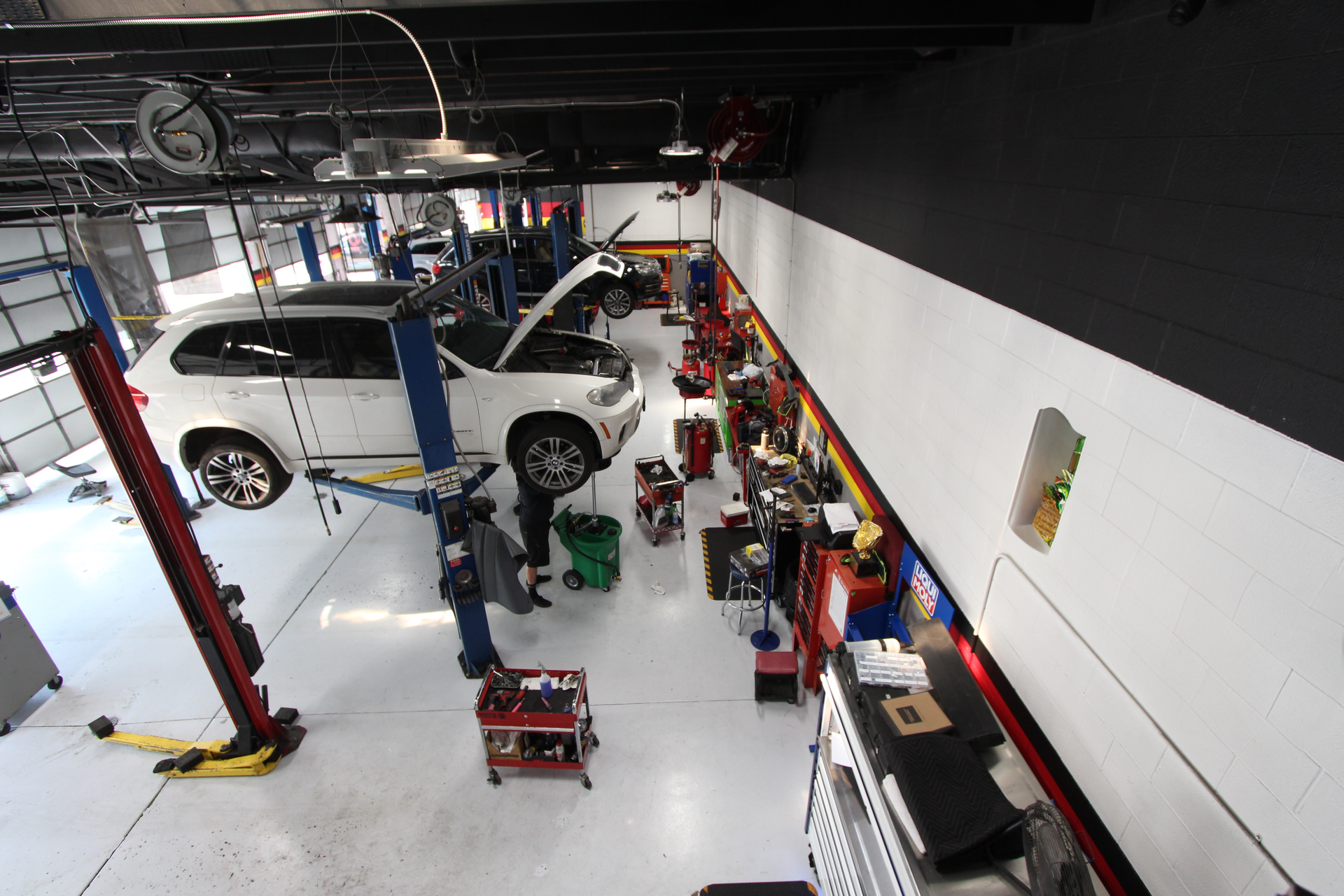
Wofford's European Car in Salt Lake City, UT, can check your A/C performance, airflow, and system pressures and recommend the right service based on what your vehicle actually needs.
Schedule a visit and keep your cold air reliable all season.