8 Most Common Audi Repairs Salt Lake City Drivers Should Know About
Audi vehicles can remain refined and responsive even as key components begin to wear out. That is part of what makes them easy to enjoy and easy to postpone. The car still feels capable, so the first symptom can seem smaller than it really is. By the time the change becomes impossible to ignore, the repair is often more involved than it needed to be.
That is why it helps to know which problems tend to show up more frequently. Catching the early version of an Audi issue usually costs less than waiting for the later, louder, rougher, more expensive version.
1. Oil Leaks Around Gaskets And Seals
Oil leaks are among the more common Audi repairs as mileage increases. Valve cover gaskets, timing cover areas, and other engine seals can begin to seep long before you notice a large spot on the ground. Some drivers first catch it through a burning oil smell after a drive rather than a visible leak.
That is what makes this easy to delay. The engine may still run perfectly well, but oil can spread onto surrounding parts, creating extra mess and heat and lowering oil levels over time. A good inspection helps confirm whether the leak is still small enough to stay simple.
2. Cooling System Leaks And Coolant Loss
Audi cooling systems are sensitive to leaks because they depend on proper pressure and steady coolant flow. A reservoir that keeps dropping, a sweet smell, or dried coolant residue in the engine bay usually points to a problem that deserves attention now, not next month.
Water pumps, hoses, thermostat housings, and plastic cooling components are all places where trouble can begin. If coolant keeps disappearing, topping it off is not a repair. It means something in the system has already started failing and needs to be checked before it overheats.
3. Ignition Coil And Spark Plug Problems
A rough idle, hesitation under load, or a check engine light often leads back to ignition issues on many Audi models. Coils and spark plugs wear in a way that can feel subtle at first, especially if the car still pulls reasonably well once you are moving.
That is where drivers lose time. They keep going because the problem comes and goes, but an active misfire puts extra stress on the exhaust system and can turn into a bigger repair if left unchecked. Regular maintenance helps here because worn ignition parts are much easier to replace early than after they start affecting other components.
4. Carbon Buildup In Direct Injection Engines
Many Audi engines use direct injection, which helps performance and efficiency, but also creates a known long-term issue. Fuel no longer washes over the intake valves the way it did in older engine designs, so that carbon deposits can build up over time.
When that happens, the engine can start idling rougher, accelerating less cleanly, or using more fuel than it should. Some drivers describe the car as feeling less sharp than it used to. The change can be gradual, which is exactly why it gets brushed aside until the buildup becomes much more noticeable.
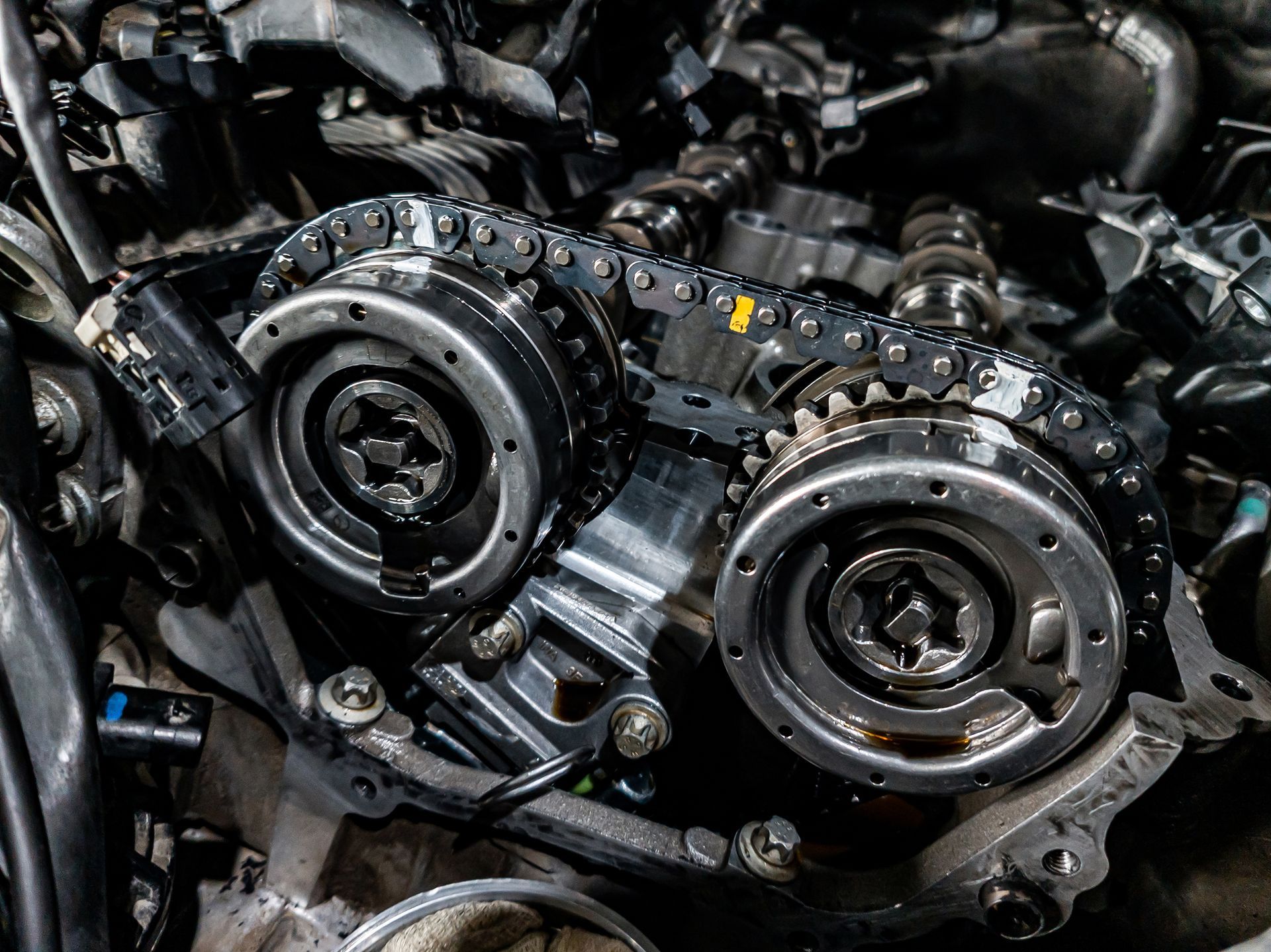
5. Timing Chain Tensioner Or Timing Component Wear
Timing chain trouble is one of the more serious Audi repair concerns because the damage can get expensive in a hurry once the timing starts drifting too far. Drivers may hear a startup rattle, feel rough running, or see warning lights tied to timing-related faults before the problem worsens.
The chain is only part of the system. Tensioners and guides matter just as much, and they depend heavily on clean oil and proper service history. That is one reason delayed oil changes can cost more on these engines than many drivers expect.
6. Suspension Wear And Front-End Noise
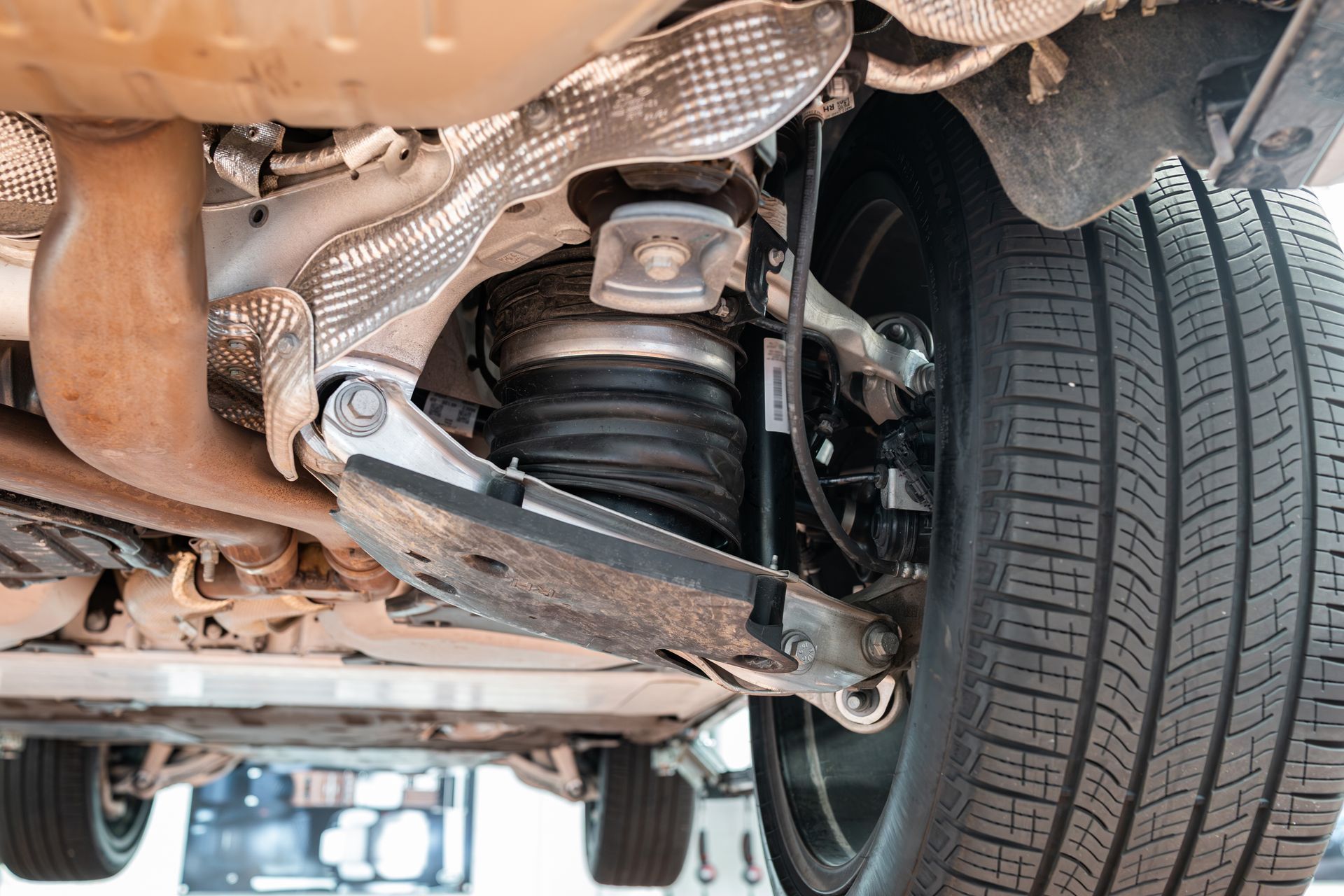
Audi vehicles are built to feel planted, so suspension wear usually shows up as a change in feel before anything fails outright. Clunks over bumps, looser steering, uneven tire wear, or a harsher ride are all common early signs that front-end components are no longer as tight as they should be.
Control arms, bushings, links, and mounts can all contribute to that change. The longer it sits, the more likely it is that tire wear and alignment problems will be combined into the same repair. Catching suspension wear early usually keeps the fix more focused.
7. Electrical Faults And Sensor Problems
Modern Audis rely on sensors, modules, and networked electronics throughout the vehicle. That means a weak battery, charging issue, failing sensor, or wiring fault can create symptoms that feel scattered and unrelated at first. Warning lights, screen glitches, communication faults, or strange electrical behavior are all part of that picture.
These repairs get expensive when people start replacing parts based on assumptions. Good diagnostics and a proper inspection are what keep the job accurate. In our experience, electrical issues are much easier to resolve when they are checked early rather than after several faults have piled up.
8. Brake Wear, Vibration, Or Uneven Rotor Issues
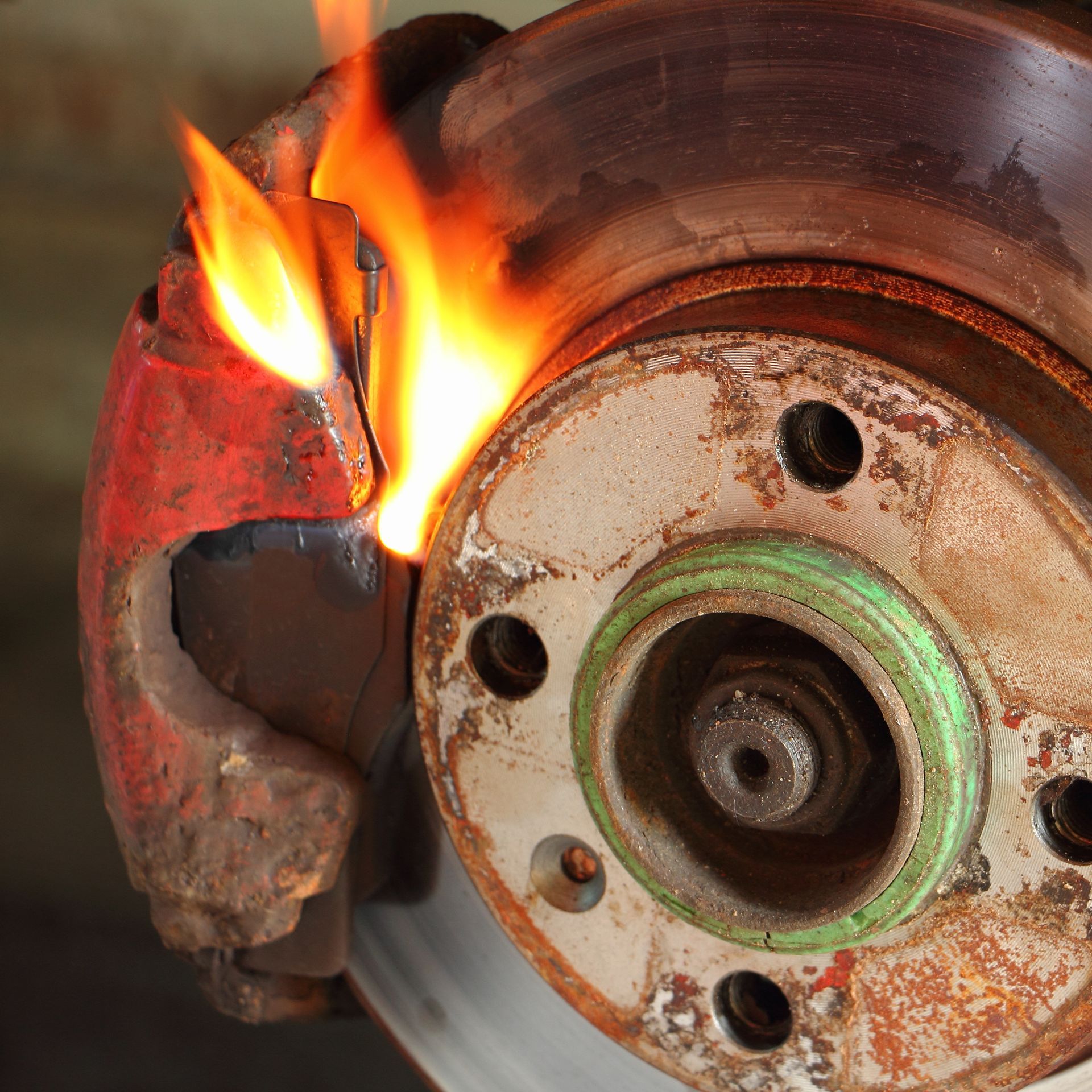
Audi brake systems work hard, and drivers usually notice when something starts changing. A vibration while slowing down, squealing, or a brake pedal that feels different than it used to are all signs that the system is ready for service.
Brake concerns are easy to postpone because the car still stops, just not as cleanly as it should. The trouble is that waiting usually lets pad wear spread into rotor wear and sometimes into caliper or hardware problems as well. An early brake inspection makes the repair much more predictable.
Why These Audi Repairs Get Expensive So Quickly
The issue is not that Audi vehicles are weak. It is that they do not respond well to neglected service and delayed warning signs. A small coolant leak can quickly escalate into an overheating problem. A mild misfire can become an exhaust repair. Suspension wear can chew through a good set of tires faster than expected.
That is why staying current on regular maintenance makes such a difference. These cars usually give you clues before they force the issue. The real savings come from acting while the problem is still contained, rather than waiting until several systems are affected at once.
Get Audi Repair In Salt Lake City, UT, With Wofford's European Car
If your Audi has started feeling different, is leaking fluid, or is showing new warning lights, Wofford's European Car in Salt Lake City, UT, can inspect it and help you catch the issue before it affects more than one system.
Staying ahead of these repairs is usually the difference between a focused fix and a much bigger bill.