Check Engine Light On? The Hidden Costs of Waiting Too Long to Fix It
The check engine light is on, but the car still gets you to work. It's easy to put off the appointment when you don't notice much difference. Trouble is, some faults affect fuel use or damage other components before the car becomes obviously difficult to drive.
Other warnings lead to fairly modest repairs. You won't know which situation applies from the dashboard symbol alone. Having it checked gives you a basis for deciding what to do next, including whether continued driving could turn the original fault into a larger bill or leave you stranded.
A Check Engine Light Identifies A Detected Operating Problem
The engine computer monitors many aspects of combustion and emissions control. When it detects a condition outside the expected range, it can store information and turn on the light. That stored information helps direct testing, but it doesn't always name the exact component that requires replacement.
A code associated with an oxygen sensor, for example, may involve the sensor, its wiring, or another condition affecting the exhaust reading. A quick scan is therefore a starting point. Understanding the cause is what allows the shop to recommend a repair rather than charge for a guessed part.
Delayed Check Engine Light Repairs Can Waste Fuel
Some faults affect how the engine controls fuel delivery or reaches its normal operating condition. The car may still feel acceptable while using more fuel than before. Over weeks of commuting, that added consumption can become part of the cost of leaving the warning unresolved.
Not every code increases fuel use, and a dashboard estimate alone can't establish the cause. Track the change and describe it to the shop. Testing can determine whether the warning and fuel consumption are connected or whether traffic, short trips, tire condition, or another influence also needs consideration.
Misfire Warnings Can Lead To Catalytic Converter Damage
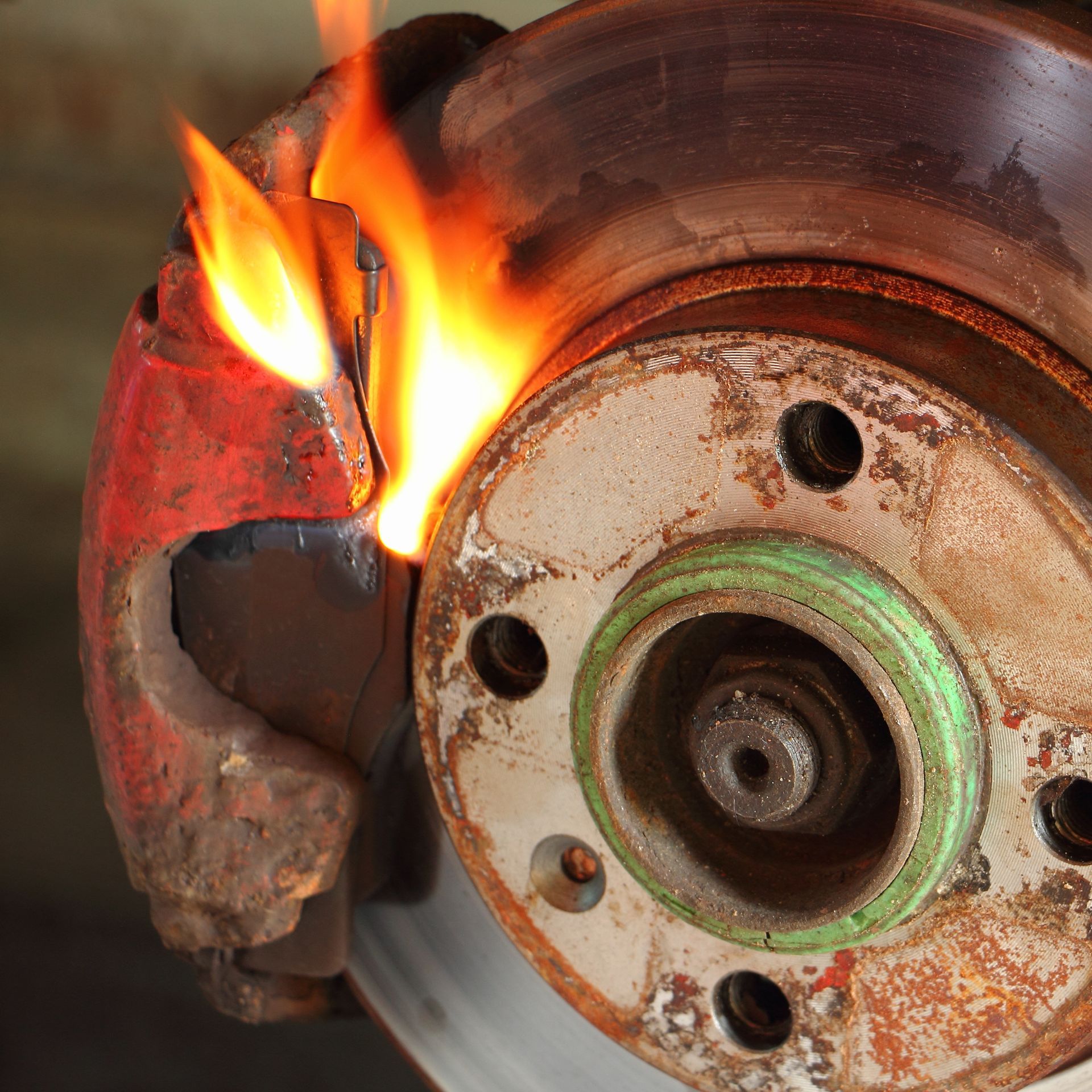
When a gasoline engine misfires, unburned fuel may reach the catalytic converter and cause excessive heat. Continuing to drive can damage the converter, turning an ignition or fueling issue into a more expensive repair. The risk depends on the fault and its severity, not just how long the light has been visible.
A flashing check engine light commonly signals a misfire serious enough to threaten emissions components. Follow the owner's manual and respond promptly. If it flashes with severe shaking or loss of power, stop safely, switch off the engine, and arrange assistance instead of continuing your normal trip to see whether it settles.
Ignoring Engine Warnings Can Make Symptoms Harder To Separate
An unresolved fault can create additional symptoms or contribute to deterioration elsewhere. A fuel-control problem might eventually involve fouled plugs, while a persistent mechanical concern can affect more than one measured system. The longer the vehicle operates abnormally, the more complicated the repair discussion may become.
That doesn't mean every warning automatically multiplies into several failures. It means a timely check helps establish the original condition while there may be fewer complications. Tell the technician when the light first appeared, what the car was doing, and what changed afterward, rather than describing everything as one sudden event.
Check Engine Light Delays Can Add Downtime And Towing
A developing problem may eventually cause difficult starting, reduced power, or a breakdown. The inconvenience can include interrupted plans and arranging transport, alongside the repair itself. Addressing a warning while the vehicle can be assessed under controlled conditions can make scheduling and decision-making easier.
Be ready to provide details such as:
- Whether the light stays on, flashes, or appears intermittently.
- When you first noticed the warning.
- Any rough running, unusual smell, hesitation, or starting change.
- Recent service or refueling before the warning appeared.
- Whether symptoms occur during cold starts, idling, or acceleration.
Don't clear the stored information before the appointment simply to make the dashboard look normal.
An Intermittent Check Engine Light Can Still Leave Useful Information
The light may switch off when the monitored condition is no longer present or when the system completes its required checks. That doesn't prove the original cause has been permanently corrected. Stored or pending information can still help the technician understand an intermittent fault.
Disconnecting the battery or erasing codes can remove useful context and reset readiness checks. A disappearing light is better discussed with the shop alongside your observations. If the vehicle is running poorly, don't wait for the warning to return before arranging service; the symptoms themselves are enough reason to investigate.
Check Engine Light Testing Helps You Plan The Right Repair
A useful estimate explains the confirmed condition, the recommended work, and any related components affected by it. It should also distinguish what needs prompt attention from what can be planned according to the findings. Price comparisons are more meaningful when they include the same testing and repair scope.
Putting off the check leaves you guessing about both the problem and the cost. Testing might identify a modest repair, or it might show why driving should stop. Either way, you can make the next decision with useful information instead of relying on how normal the car currently feels.
Get Check Engine Light Service In Salt Lake City, UT
Wofford's European Car in Salt Lake City, UT, can check engine warnings and related changes in performance or fuel use. We can explain the test results, recommend repairs, and address any concerns about whether you should keep driving.
Contact us to schedule a check engine light inspection before the problem develops further.