What Is Included in a Comprehensive European Vehicle Inspection?
A comprehensive European vehicle inspection looks beyond basic fluid levels and visible tire wear. European cars often combine turbocharged engines, advanced cooling systems, electronically controlled transmissions, adaptive suspension, complex braking systems, and multiple control modules that share information across the vehicle.
The purpose of the inspection is to identify current faults, developing wear, overdue maintenance, and conditions that could affect safety or reliability. The exact process should match the vehicle’s make, model, engine, transmission, drivetrain, age, mileage, and service history.
Reviewing Service History And Factory Requirements
The inspection begins with the vehicle identification number and available service records. European manufacturers may use different engines, transmissions, brake packages, suspension systems, and fluid specifications within the same model line. Accurate vehicle information prevents recommendations based on the wrong equipment.
Technicians compare mileage and age with the factory maintenance schedule. They review when engine oil, brake fluid, coolant, spark plugs, transmission fluid, filters, differential oil, and transfer case fluid were last serviced.
Missing records do not automatically mean every item needs replacement. Some services can be evaluated by condition, while others should follow the manufacturer’s time or mileage interval because appearance alone cannot confirm their remaining protective quality.
Scanning Electronic Control Systems
Modern European vehicles can contain dozens of control modules. A comprehensive evaluation may include scanning the engine, transmission, ABS, airbag, climate control, steering, suspension, body, parking brake, and driver-assistance systems.
Stored faults may reveal intermittent problems that are not currently producing a dashboard warning. Technicians also review live data to confirm whether sensors and actuators are reporting values that make sense under current operating conditions.
A fault code identifies the circuit or operating condition detected by the vehicle. It does not automatically prove that the named component has failed. Wiring, connectors, low voltage, mechanical wear, fluid pressure, and communication faults may all require additional testing before a repair is recommended.
Engine Oil Leaks And Lubrication Concerns
European engines often use several gaskets, seals, plastic housings, vacuum pumps, oil coolers, and turbocharger oil lines in tightly packaged spaces. Common leak areas may include valve covers, oil filter housings, timing covers, oil pans, vacuum pumps, crankshaft seals, and turbocharger connections.
The technician checks the oil level, service interval, visible residue, and signs that leaking oil has reached belts, mounts, exhaust parts, or wiring. Oil consumption should also be reviewed because an engine can lose oil internally without leaving a puddle.
Correct oil specification is critical. Matching viscosity alone is not enough when the manufacturer requires a specific approval for turbocharger protection, emissions compatibility, deposit control, or extended service performance.
Cooling System And Temperature Control
A European cooling system may contain electric water pumps, auxiliary pumps, electronically controlled thermostats, plastic fittings, multiple radiators, coolant valves, and separate circuits for the engine, turbocharger, transmission, or hybrid components.
The inspection includes the coolant level, concentration, visible leaks, dried residue, hose condition, reservoir, pressure cap, radiator, thermostat housing, pump areas, and cooling fan operation. Live temperature data may be reviewed when the vehicle warms too slowly, runs hot, or displays intermittent warnings.
Low coolant, weak circulation, restricted airflow, or an inaccurate temperature signal can affect engine operation before the gauge rises noticeably. Overheating risks deserve prompt attention because aluminum cylinder heads and turbocharged engines can suffer severe damage when temperature control is lost.
Transmission And Drivetrain Evaluation
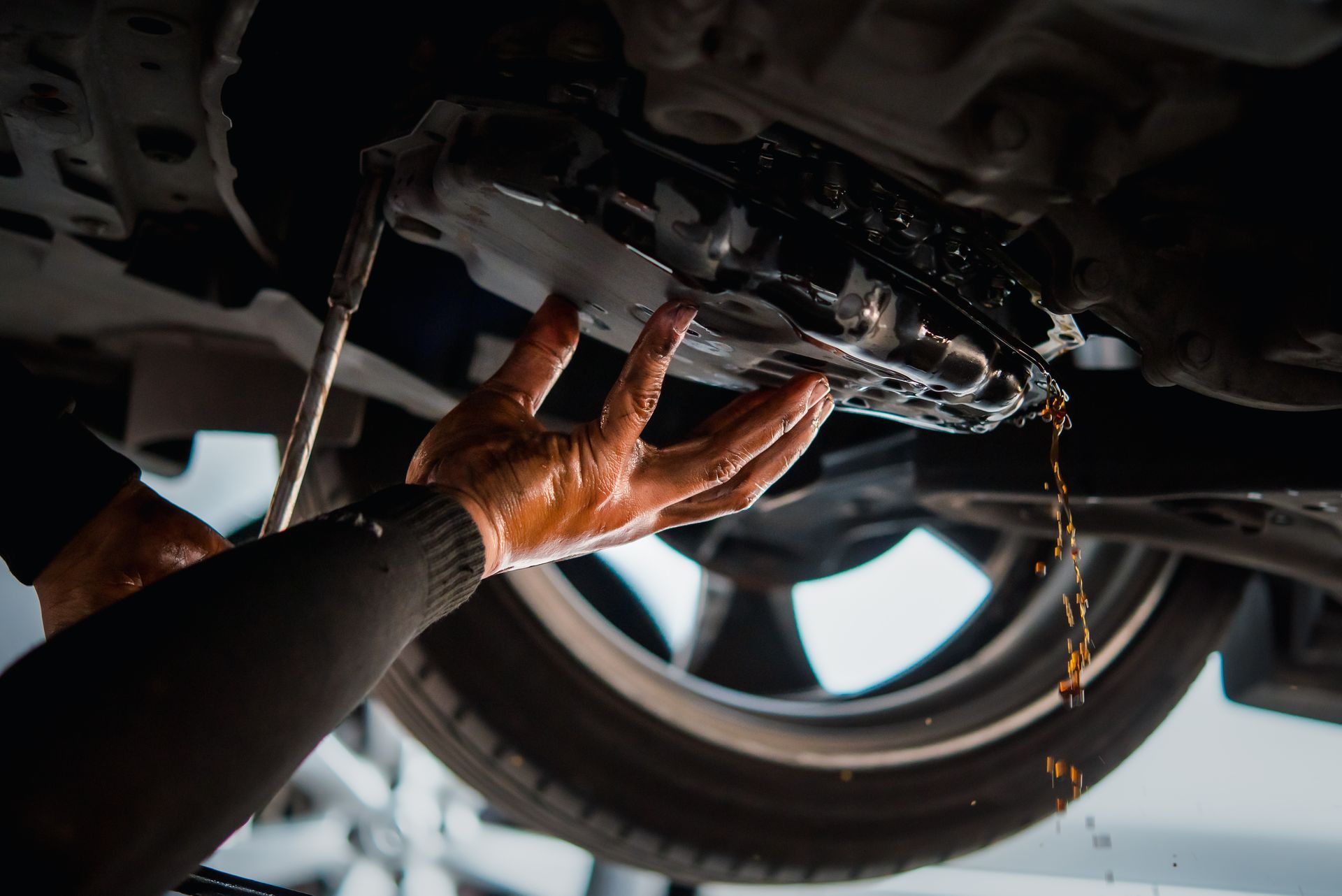
European vehicles may use conventional automatics, dual-clutch transmissions, continuously variable transmissions, or manual gearboxes. Each design has specific fluid, filling, temperature, and adaptation requirements.
Technicians check for fluid leakage, delayed engagement, harsh shifts, shuddering, warning messages, and abnormal noise. Scan data may show clutch adaptation, pressure control, commanded gear, actual gear, and transmission temperature.
All-wheel-drive vehicles also require attention to transfer cases, differentials, driveshafts, CV axles, and tire circumference. Significant differences in tire size, pressure, or tread depth can place constant stress on certain AWD systems.
Brake, Steering, And Suspension Condition
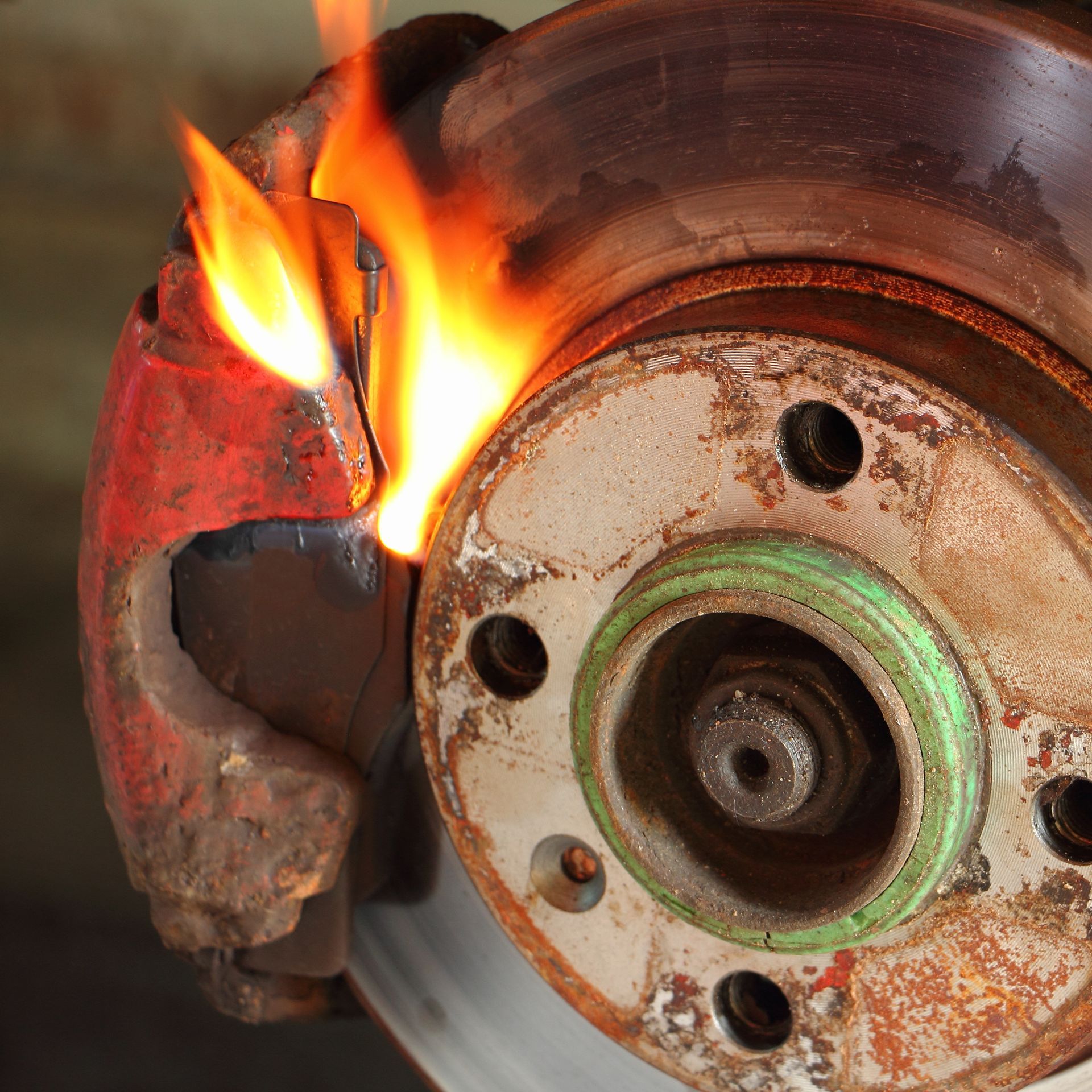
Brake evaluation includes pad thickness, rotor condition, caliper movement, hydraulic hoses, brake fluid, parking brake operation, and signs of uneven wear. European vehicles with electronic parking brakes may require scan-tool service modes during rear brake work.
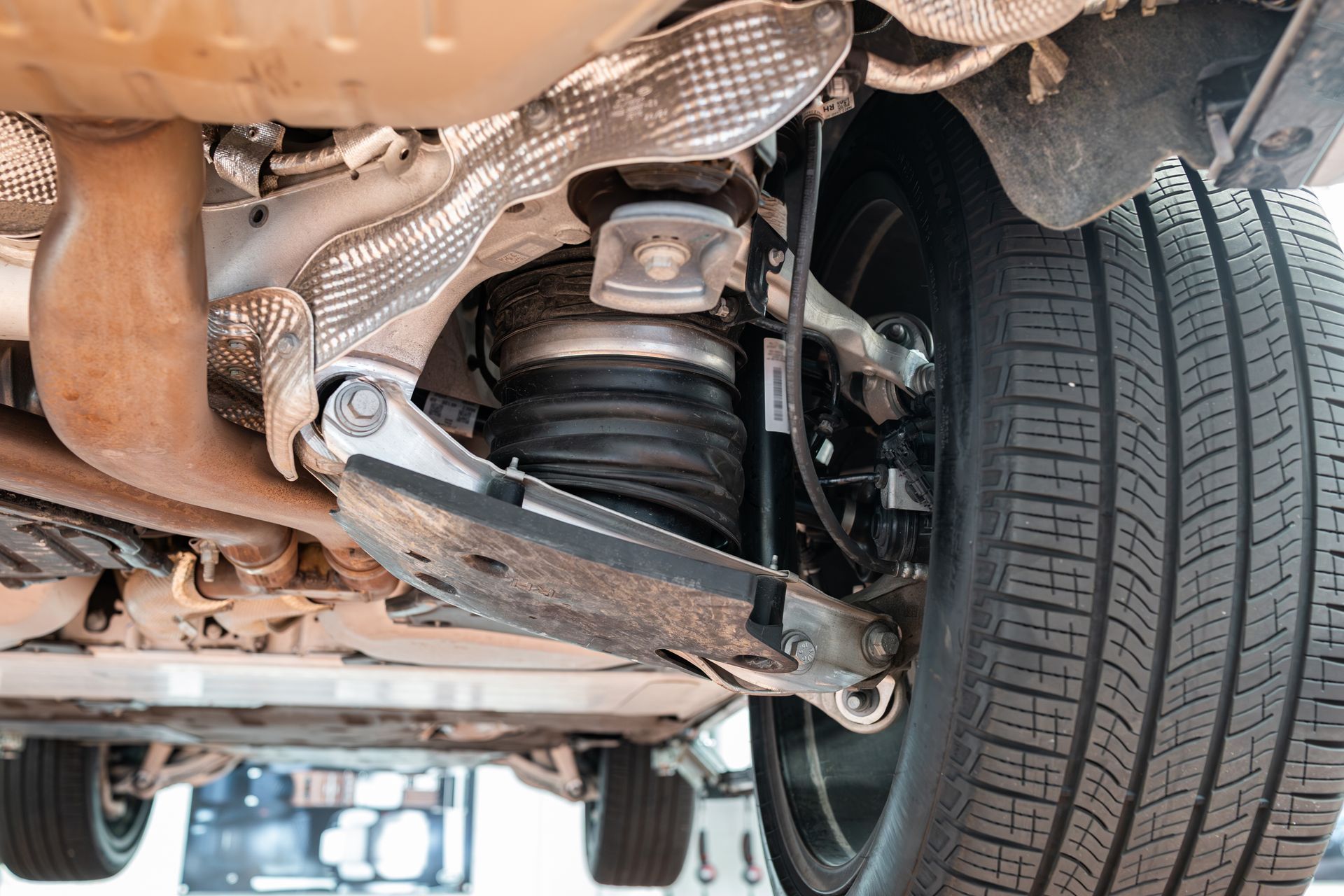
Steering and suspension checks may include:
- Control arm bushings
- Ball joints
- Tie rods
- Sway bar links
- Wheel bearings
- Shocks and struts
- Air suspension components
- Ride-height sensors
- Engine and transmission mounts
- CV axle boots and joints
Worn bushings or joints can create clunking, steering movement, uneven tire wear, and instability during braking. An alignment should be performed only after looseness and damaged components are corrected.
Tires, Wheels, And Alignment-Related Wear
The tires are checked for pressure, tread depth, age, cracking, punctures, sidewall damage, and uneven wear. European performance vehicles often use low-profile tires that are more vulnerable to wheel damage from potholes and road impacts.
Bent wheels, incorrect tire types, mismatched tread, and poor balance can cause vibration or interfere with all-wheel-drive operation. Wear patterns may also reveal alignment trouble, weak dampers, damaged bushings, or incorrect pressure.
An inspection of the inner tread is especially important because severe wear may not be visible from outside the vehicle.
Battery, Charging, And Comfort Systems
Many European vehicles monitor battery condition and adjust charging strategy electronically. A replacement battery may need registration or coding so the energy-management system can charge it correctly.
Technicians test battery capacity, alternator output, cable condition, terminal resistance, and signs of parasitic drain when starting performance is weak. Climate controls, lighting, windows, locks, seat functions, and warning systems may also be checked because electrical faults can affect several features at once.
Get A Comprehensive European Vehicle Inspection In Salt Lake City, UT, With Wofford's European Car
Wofford's European Car in Salt Lake City, UT, can evaluate your European vehicle’s engine, cooling system, transmission, drivetrain, brakes, suspension, tires, electronics, battery, and maintenance history.